 Quail Corner

Best Quail Cage Cleaner (2026): 7 Picks for Cleaner Cages
The best quail cage cleaner for most keepers is Nature's Miracle Bird Cage Cleaner. Its bird and small-animal cage positioning, unscented bio-enzymatic formula, and 24 fl oz size make it the clearest first choice for bars, liners, and manure trays.
A cleaner handles dried droppings on a surface. Sweet PDZ handles moisture and odor in bedding. Neither product removes the need to clear manure, keep air moving, and give your covey enough room.
7 Quail Cage Cleaners Compared
Ranked by cage fit, odor control, label positioning, cleanup effort, and value
Overall
Best for routine cage cleanup
- Bird and small-animal cage positioning
- Bio-enzymatic formula
- Unscented 24 fl oz bottle
- Designed to clean and deodorize
Top Pick Nature's Miracle Bird Cage Cleaner
$
A sensible first bottle for bars, liners, and manure trays
Check Price on Amazon Dried messes
Best for enzyme cleaning
- Natural enzymes
- Fragrance free
- Let it sit before wiping
- Useful on stuck-on residue
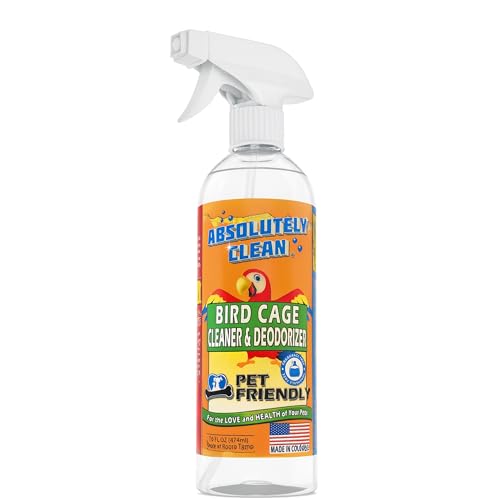
Top Pick Absolutely Clean Bird Cage Cleaner
$
Good when a quick wipe leaves a crust behind
Check Price on Amazon Bedding odor
Best for moisture control
- Zeolite mineral
- 10 lb bag
- No perfumes or additives
- For bedding and manure-tray odor
Top Pick Sweet PDZ Coop Refresher
$$
Choose this for the bedding, not for spraying cage bars
Check Price on AmazonQuick answer: Buy Nature's Miracle Bird Cage Cleaner for ordinary cage cleanup. Pick Absolutely Clean for dried messes, Oxyfresh when avoiding fragrance, or Sweet PDZ when the real job is bedding odor control. Product safety and application claims come from the current listing or label, so read it before use.
Quick picks
Our Top Picks

Comparison table
| Product | Best for | Price band | Key spec | Verdict |
|---|---|---|---|---|
| Nature's Miracle Bird Cage Cleaner | Routine quail cage and manure-tray cleanup | $ | Bio-enzymatic cleaning formula | Check current listing |
| Absolutely Clean Bird Cage Cleaner | Dried bird messes and readers who prefer fragrance-free enzyme cleaning | $ | Natural enzymes | Check current listing |
| Natural Rapport Bird Cage Cleaner | A larger bird-cage spray with plant-based positioning | $ | Plant-based bio-enzymatic ingredients | Check current listing |
| MICROBE-LIFT Coop Cleaner | Larger outdoor cages and coop surfaces with persistent odor concerns | $$ | Natural formula with ammonia neutralizer | Check current listing |
| Sweet PDZ Coop Refresher | Bedding and manure-tray odor control rather than surface cleaning | $$ | No perfumes, additives, or chemicals | Check current listing |
| Oxyfresh Crate & Cage Cleaner | Small indoor cages and keepers avoiding fragrance, bleach, alcohol, and dye | $ | Bleach-free, alcohol-free, dye-free, fragrance-free | Check current listing |
| Coop Care Chick Fresh | Poultry housing and brooder odor-control use cases | $ | All-natural odor-control spray | Check current listing |
How we evaluate
Start with the surface. A cage spray needs a sensible job on wire bars, plastic liners, and washable trays. I favor listings that name birds, small animals, poultry housing, or bedding, because quail should not be the proving ground for a random household chemical.
Then separate the mess from the smell. Enzyme sprays and surface cleaners deal with residue. Zeolite deals with moisture and odor in bedding. UMN Extension's guidance on chickens in cold weather ties ammonia to moisture, manure, and ventilation. Its layer chick and pullet guidance says to remove wet litter and keep waterers clean. Penn State Extension's ammonia guidance also puts litter moisture management at the center. The same airflow and waste basics apply to a quail cage. A strong scent only covers the problem.
Lastly, ask how much work the product saves. A cleaner earns its place when the tray comes out easily and the surface wipes clean without leaving feed or water exposed. A powder earns its place only where bedding or a manure tray can hold it safely. The current label has the final say on contact time, rinsing, and drying.
Individual product reviews
1) Nature's Miracle Bird Cage Cleaner | Best overall
This is the bottle I would reach for first in a typical coturnix cage. The listing places it with bird and small-animal cages, and the bio-enzymatic approach fits the dried film that builds on bars, plastic liners, and the lip of a manure tray. Unscented is a useful choice when the cage sits in a shed, garage, or spare room.
The tradeoff is simple: it is a surface product. It will not fix wet bedding, a tray that stays full, or stale air. Skip it if your main concern is coop-scale odor and choose Sweet PDZ instead. For safety, follow the current label, keep spray away from feed and water, and let the cleaned area meet the label's directions before birds return.
Pros
- ✓ Clear bird and small-animal cage positioning
- ✓ Unscented bio-enzymatic formula
- ✓ Good fit for routine tray and liner work
Cons
- ✗ Does not replace bedding or ventilation work
- ✗ Surface directions still need to fit your cage material
2) Absolutely Clean Bird Cage Cleaner | Best enzyme cleaner
Absolutely Clean makes sense when dried messes are the reason a plain wipe is failing. The listing calls out natural enzymes, fragrance-free use, and a spray, sit, then wipe or brush routine. That pause gives residue time to soften instead of making you scrape hard against a tray or cage wire.
Its 16 fl oz bottle is smaller than several options here, so it suits a single cage or a keeper who wants a focused cleaner rather than a large supply. Skip it when you need bedding amendment or broad outdoor coop coverage. Use the current application instructions and keep the birds, feed, and water out of the spray path.
Pros
- ✓ Useful approach for dried residue
- ✓ Fragrance free
- ✓ Clear spray and dwell guidance in the listing
Cons
- ✗ Smaller bottle than several competitors
- ✗ Still a surface cleaner, not a bedding treatment
3) Natural Rapport Bird Cage Cleaner | Best plant-based option
Natural Rapport stands out for keepers who want a larger cage-focused spray with plant-based bio-enzymatic positioning. Its listing names bird cages, liners, covers, and accessories, so it maps well to a setup with several removable parts. The stated exclusion of alcohol, bleach, ammonia, and chlorine is helpful context when you are trying to avoid those ingredients.
Ingredient positioning does not remove the need to read the label. Check the current directions for each surface, and prevent overspray from reaching feed or water. This is a good fit for routine cage parts. Skip it if you need a dry bedding product or a cleaner specifically aimed at larger outdoor coop surfaces.
Pros
- ✓ 32 oz size for several cage parts
- ✓ Plant-based bio-enzymatic positioning
- ✓ Listing includes liners and accessories
Cons
- ✗ Plant-based wording is not a reason to ignore the label
- ✗ Not a bedding moisture amendment
4) MICROBE-LIFT Coop Cleaner | Best for coop-scale odor

MICROBE-LIFT is the more natural match for a large outdoor cage, shed setup, or coop surface where a small bird-cage bottle feels undersized. The listing describes a natural formula with an ammonia neutralizer and names coop surfaces and supplies. Its spray-and-air-dry direction can be convenient when you are working across many washable parts.
Do not read “ammonia neutralizer” as permission to leave waste in place. UMN Extension ties ammonia control to dry conditions, manure cleanup, and ventilation. Skip this one for a small indoor cage if you simply need a careful wipe of a liner. Use the current label and keep birds away until the directed process is complete.
Pros
- ✓ Better category fit for outdoor coop surfaces
- ✓ 32 fl oz bottle
- ✓ Listing gives a spray-and-air-dry approach
Cons
- ✗ More product than a single small cage may need
- ✗ Odor control cannot replace airflow and waste removal
5) Sweet PDZ Coop Refresher | Best odor control

Sweet PDZ belongs in this list for a different reason. It is a zeolite mineral product for bedding odor and moisture control, and the listing says it is safe for quail and housed birds. That makes it the pick when the smell comes from damp bedding or a manure tray rather than a crust on cage wire.
It does not clean the bars. Remove waste first, use it only as directed in an appropriate bedding or tray setup, and keep it away from feed and water. UMN and Penn State guidance both point toward moisture management as the foundation. Skip Sweet PDZ if you are looking for a spray to loosen dried droppings.
Pros
- ✓ Correct tool for bedding moisture and odor
- ✓ 10 lb size for a larger setup
- ✓ Listing names quail and housed birds
Cons
- ✗ Cannot replace surface cleaning
- ✗ Poor fit for a bare wire cage with no bedding area
6) Oxyfresh Crate & Cage Cleaner | Best fragrance-free alternative

Oxyfresh is a practical alternative for a small indoor cage or a keeper avoiding fragrance, bleach, alcohol, and dye. The listing places it with birds, small animals, crates, and cages. Spray-and-wipe use and the stated no-rinse direction can make it convenient for removable plastic parts, provided the current label fits your surface.
The 16 fl oz size makes more sense for a compact setup than a full shed. It also is not a bedding amendment, and “no rinse needed” still means you should follow the current label and prevent contamination of food and water. Skip it when a larger outdoor cage or persistent damp bedding is the actual problem.
Pros
- ✓ Fragrance, bleach, alcohol, and dye free positioning
- ✓ Fits birds and small-animal cages
- ✓ Convenient spray-and-wipe format
Cons
- ✗ Smaller bottle
- ✗ Not intended to solve damp bedding odor
7) Coop Care Chick Fresh | Best brooder odor spray

Coop Care Chick Fresh is aimed at poultry housing, brooders, runs, and small-animal cages. That makes it worth considering when the job crosses from a single cage into a brooder or outdoor housing area. The listing describes an all-natural odor-control spray and says it targets coop and brooder odor and ammonia.
Those claims describe the product's intended use, not a substitute for a dry brooder and clean water setup. UMN Extension's poultry guidance makes moisture and ventilation central to odor control. Skip this one if you only need to lift dried waste from a tray, or if the current label does not cover your surface and use.
Pros
- ✓ Brooder and poultry-housing positioning
- ✓ 24 fl oz bottle
- ✓ Useful category fit for odor-control work
Cons
- ✗ Odor spray is not a waste-removal plan
- ✗ Check current label before using around a small cage
Frequently asked questions
What is the best cleaner for a quail cage?
Nature's Miracle Bird Cage Cleaner is the best starting point for most wire cages, liners, and manure trays. Its listing positions it for bird and small-animal cages, and it uses a bio-enzymatic, unscented formula. Follow the current label, keep it away from feed and water, and never mix it with another cleaner.
Can I use a household cleaner around quail?
Only use a product when its current label clearly fits the surface and the intended bird or animal use. Move birds away from the area, prevent feed and water contamination, and follow the label before returning them. A cage cleaner does not replace manure removal or fresh airflow.
Is Sweet PDZ a cage cleaner?
No. Sweet PDZ Coop Refresher is a zeolite bedding and moisture-control product, so it belongs in the bedding or manure-tray plan rather than on cage bars. It suits keepers who need odor control after handling the waste and ventilation basics.
How much space should quail have in a cage?
Coturnix need at least 1 square foot of wire-cage floor space per bird, and 1.5 square feet is kinder. Ground pens need 2 square feet or more per bird. More room and easier tray access reduce the mess you have to manage.
Does cage cleaner remove ammonia?
A surface cleaner can remove residue from a washable surface, while a bedding product can help manage moisture and odor. Persistent ammonia smell points you back to wet manure, damp litter, poor airflow, or a tray that is hard to service. Improve those conditions and talk to an extension office if the problem continues.
Related guides
- Best Quail Cage (2026): 6 Verified Picks for Every Flock for tray access and cage designs that simplify cleanup.
- How to Set Up a Quail Cage: Step-by-Step (2026) for practical placement and setup guidance.
- Best Quail Coop (2026): 6 Picks for Every Flock for outdoor housing and access decisions.
- Quail housing guides for more help choosing and maintaining bird housing.