 Quail Corner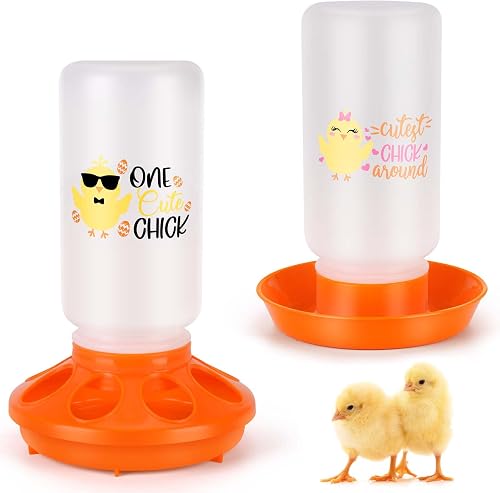
Chick Starter Pick
TGEYD Chick Feeder and Waterer Set – Automatic 1L Chicken Feeder and Waterer for Baby Chicks, Ducks, and Quail – Brooder Starter Kit & Chicken Coop Accessories
$
Check Price on AmazonThe best size is not a universal opening diameter or feeder count. Choose a low, stable chick feeder that the smallest bird can reach without climbing inside, then watch the group and adjust the setup.
A bigger reservoir can take up brooder space and make access awkward. This guide compares feeder styles, access, mess, cleaning, budget, and life-stage fit. For wider setup help, see our quail feed and water guides.
Open dishes give the quickest first access. Ported or trough designs separate feed from feet and bedding. A combined starter set makes sense for a new brooder that needs both pieces. Choose based on what every chick can reach, how closely you can observe the setup, and how much floor space remains.
| Format | Strength | Trade-off | Best fit |
|---|---|---|---|
| Open shallow dish | Easy first access and visual monitoring | Exposed to scratching, bedding, and contamination | Closely observed initial setup |
| Trough or ported chick feeder | Better separation from feet and potentially less scratching | Access depends on the opening; lids and ports need inspection | Keepers willing to watch and clean openings |
| Feeder-waterer starter set | One purchase and a convenient footprint | Can duplicate equipment or make cleaning and separation less convenient | New keepers with neither item |
A shallow dish lets you see where the chicks are pecking and helps them find feed during the first setup. It also puts crumble within easy reach of bedding and scratching feet. Use it when you can check the brooder often and remove soiled feed promptly.
A trough or ported feeder creates a clearer boundary between feed and walking space. Ports can reduce opportunities for chicks to bill crumble out, though the opening still has to suit the smallest bird. Compare our chick feeder picks for chick-focused formats, then observe the actual access rather than buying by capacity alone.
A set is handy when you are starting from an empty brooder and want the two pieces to occupy a workable area together. It is less useful if you already own a suitable waterer. Check that the pieces separate, remain stable, and leave room for movement.
Start with access: every chick must reach feed comfortably without climbing into the container. Then check waste control, stability, cleaning, feed visibility, and the space left for movement. Mississippi State Extension’s “Grow Healthy Chicks” supports comfortable feed-trough access, though its chicken quantities do not become quail rules.
Look at the opening, lip, base, and mounting. A listing may call a feeder “for chicks,” yet the useful question is what your smallest bird can reach without stretching or entering the feed. If birds crowd one access point, add another access point or change the format. Skip the idea that one opening size or feeder count works for every brooder.
Ports, lids, and placement outside the busiest walking area reduce opportunities for scratching and fouling. They do not make waste disappear. Silver Homestead’s “No Waste Quail Feeders that Work” describes less visible waste with ported feeders, while Salt in my Coffee’s “What to Feed Quail Chicks” describes moving from a shallow dish toward smaller openings as chicks become messier. Treat both as keeper experience, not controlled testing.
A kit saves a separate purchase for a new keeper. The TGEYD listing describes eight feeding ports, a 1 L feeder, a 1 L waterer, plastic construction, hand-wash care, and an automatic water outlet. Its Amazon record also lists an anti-drown design and nonslip feature. Those are listing claims, not a Quail Corner guarantee.
Check whether the two pieces separate, whether the waterer is reachable, and whether both fit without blocking movement or the brooder’s warmer and cooler areas. If you already own a suitable waterer, a feeder-only format is the cleaner buy. See our quail chick waterer picks before duplicating equipment.
$
Check Price on AmazonThe TGEYD set is an editorial starter option based on the listing details above. See the TGEYD set on Amazon if buying both pieces together solves a real gap in your brooder; skip the duplicate waterer when you already have one.
Coturnix starter feed is 28–30% game bird starter for weeks 0–6. A good feeder cannot fix the wrong feed or wet, soiled crumble. Penn State Extension’s “Brooding of Domestic Fowl” and Mississippi State’s “Grow Healthy Chicks” support keeping feed accessible and helping chicks locate feed and water. For the practical routine, read our quail chick feeding routine.
Prioritize smooth surfaces, removable parts, visible feed levels, secure bases, and clear care instructions. Plastic, translucent construction, and hand wash only are useful details when the listing provides them. Do not assume a generic feeder is dishwasher-safe or food-grade without documentation.
Place it near the heat, though not directly under the heat source, following Penn State Extension’s “Brooding of Domestic Fowl.” Keep the feed dry and easy to reach, then watch how the chicks move around it. For the wider equipment plan, use our quail brooder guide without treating this link as a heat recommendation.
Most keepers should spend for safe access, a stable base, and easy inspection rather than the largest reservoir. The price bands below describe the usual trade-offs, not live prices. A simple feeder that fits the chicks well beats an expensive unit they cannot use comfortably.
| Tier | What the buyer generally gets | Trade-off |
|---|---|---|
| $ | Simple shallow dishes or generic multi-packs | More frequent monitoring; fit is less predictable |
| $$ | Chick-specific ported, flip-top, or combined designs | Better access and convenience, with openings and moving parts to inspect |
| $$$ | A genuinely better-built reusable system with documented advantages | Capacity alone does not justify the higher spend |
Watch the birds, the crumble, and the feeder base after setup. Most early problems come from choosing by reservoir size or marketing language instead of checking reach, stability, placement, and the condition of the feed.
Use the criteria above before opening a product page. For specific models and chick-focused comparisons, start with our chick feeder picks. Then use our quail feed and water guides to plan the rest of the setup.
Starting with an empty brooder? The TGEYD set fits the listing-based all-in-one use case. If you already own a suitable waterer, focus on a feeder-only option instead.
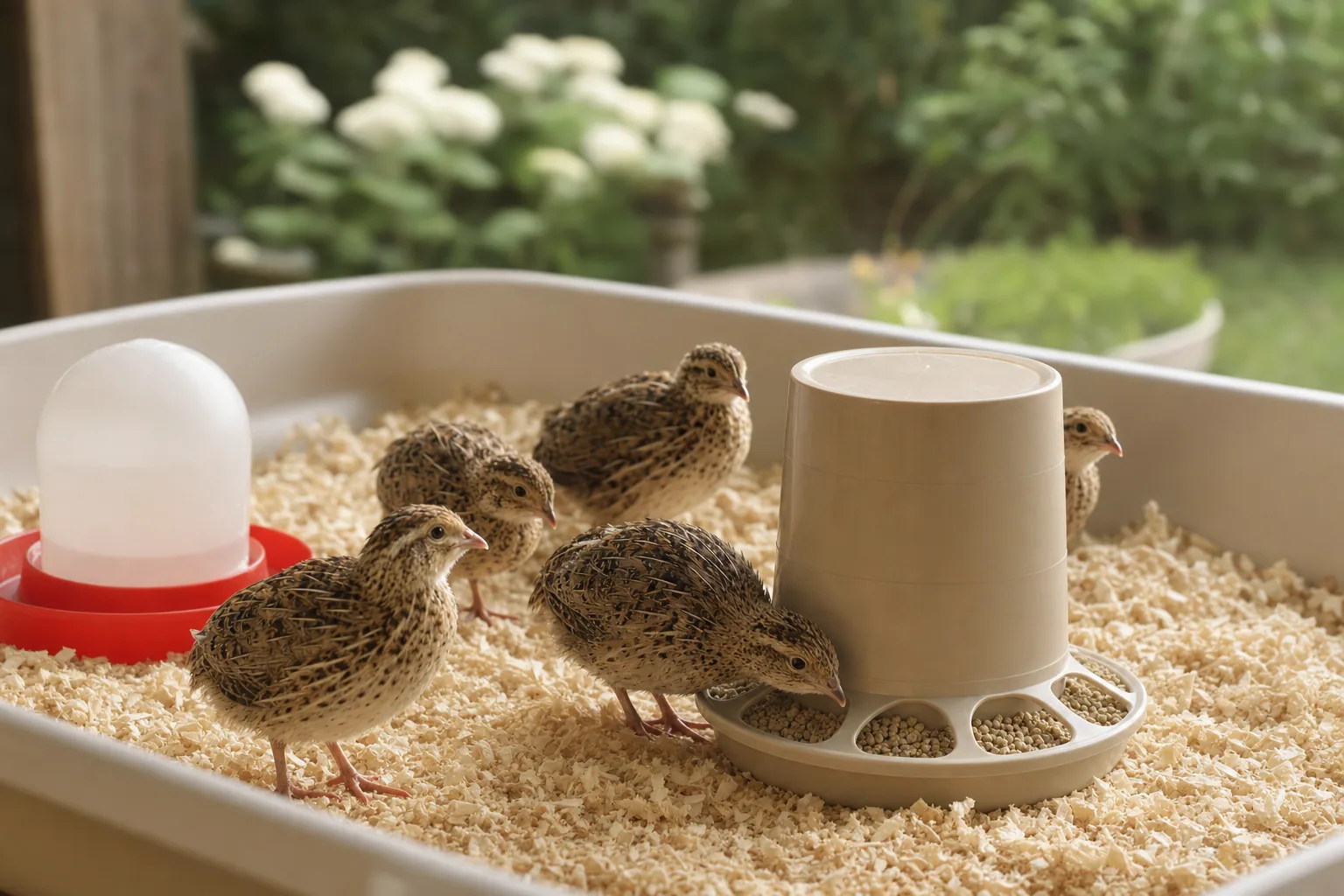
The TGEYD set is an editorial fit for a new all-in-one brooder setup because its listing includes an 8-port, 1 L feeder and waterer. Choose a feeder-only chick format if you already own a suitable waterer; this recommendation comes from listing data, not a physical test.
Neither format wins for every brooder because access and mess pull in different directions. Ports can limit climbing and scratching, while a trough can be easier to inspect and reach; watch the chicks and choose the fit they use comfortably.
Day-old quail chicks can use a hanging feeder only when every chick reaches feed safely and the mounting stays stable. Watch the whole group after setup, then lower, reposition, or change the feeder if any bird struggles or climbs inside.
Use a stable design that limits entry, then change formats if chicks can climb into it. Silver Homestead reports practical keeper experience with ported feeders and reduced visible waste, though that observation is lived experience rather than a guarantee or controlled test.
Coturnix chicks need 28–30% game bird starter for weeks 0–6, according to the Quail Facts sheet. Penn State Extension supports keeping chick feed accessible, while the protein and life-stage figure here is the quail-specific husbandry guidance.
Inspect the feeder for wet or soiled crumble, follow its care instructions, and choose a visible reservoir when that helps you check feed. Cleaning needs depend on the actual condition of the feeder and feed, so use observation instead of a fixed interval.