 Quail Corner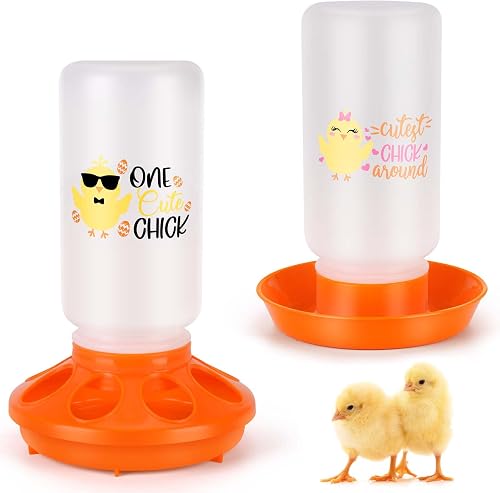
Helpful Brooder Pick
TGEYD Chick Feeder and Waterer Set – Automatic 1L Chicken Feeder and Waterer for Baby Chicks, Ducks, and Quail – Brooder Starter Kit & Chicken Coop Accessories
$
Check Price on AmazonMost chicks ignore a feeder for a simple reason: the smallest bird cannot reach or see the crumble, or the feeder wobbles and invites a climb. Start with a clean, reachable setup, show them where the feed is, and watch the whole covey before you buy anything new.
A repeatable four-step brooder reset
Every chick can find a clean, reachable feeder.
Check the smallest chick first. Make sure the feeder is visible, steady, clean, and reachable without climbing inside. Use a clean low dish as a temporary reset, then direct the chicks back to the feeder. For the broader selection process, see our quail chick feeder picks.
Penn State Extension’s “The Brooder Box” puts food in a low dish or chick feeder. Use that same simple reset while you work out if the trouble is the feed, the location, or the feeder format.
Gather the current feeder, the correct crumble, and a clean surface for a short reset. Keep the job simple so you can return the chicks to a calm brooder and watch them without crowding the box.
$
Check Price on AmazonCheck five things in order: reach, cleanliness, visibility, group access, then feed and water. That order helps you spot a location problem before you replace a feeder that might be fine.
Look at the smallest chick first, rather than the boldest bird. Confirm that it can see and reach the crumble without climbing into the unit. Push the feeder gently with one finger. It should stay put when birds lean against it.
Look at the brooder layout too. Penn State Extension recommends placing feeders near the heat area, never directly under the heat source. See our quail brooder setup guide if the feeder location is part of a larger reset.
Remove wet or soiled crumble and clean the feeder according to its product instructions. Put fresh crumble in a clean, low, visible dish, or reassemble the current feeder after cleaning. Penn State’s “The Brooder Box” also supports keeping food and water available in a low dish or chick feeder.
Wet or dirty feed has no place in the brooder as a fallback. A clean catch surface lets you see what the chicks are pecking and tells you if the feeder itself is causing the trouble.
Keep the proper crumble available and place a small amount where the chicks naturally investigate. Once they notice it, guide their attention back to the feeder. This teaches the location without making bedding-floor feeding the permanent setup.
Point or tap near the feeder, then step back. Let the chicks approach on their own. If the feeder is hidden, too dark, or crowded by another brooder item, move it where the whole group can see it.
Watch for one chick blocking the others, a bird that cannot reach the food, or a design that invites climbing and scratching. If the unit tips or remains inaccessible, switch to a more suitable shallow, flip-top, or chick-port format.
The TGEYD listing describes a plastic, hand-wash-only feeder and waterer set with a 1 L feeder, eight feeding ports, and an automatic water outlet. Those are listing details, not independent test findings. It is the all-in-one choice for a keeper who wants one compact setup. Choose a feeder-only option if your waterer already works.
See the TGEYD listingUse 28–30% game bird starter for Coturnix chicks through weeks 0–6. Keep clean, accessible water beside the feed, then watch to see that every chick can move between the two. Use our quail chick feeding routine for the first-brooder sequence and our quail chick waterer picks for water-access options.
Mississippi State University Extension’s “Quail Feeding Programs” explains the value of feed matched to a quail’s life stage. If feed, water, warmth, and access are checked but chicks still show concerning behavior, contact a poultry vet or extension office rather than guessing at a cause.
The smallest chick is the honest test of a brooder feeder. Avoid these shortcuts, then watch the birds instead of assuming a product label tells you how the setup behaves.
Change one thing at a time. Keep the crumble clean and watch the whole group after each adjustment, so you know which change helped.
Make fresh crumble visible in a low, clean location, then guide attention back to the feeder. Move it away from clutter and watch the smallest chick approach.
Use stable placement and a design that limits entry. Silver Homestead’s “No Waste Quail Feeders that Work” describes teaching birds to use feeder ports as a keeper report, not proof that a particular port prevents all spills.
Lower or replace the unit based on what you observe. There is no universal opening measurement to use instead of watching the actual chicks.
Reduce exposed surface area, choose a stable feeder, and remove contaminated crumble. Repeated overfilling only gives scratching birds more feed to scatter.
Secure it only according to the manufacturer’s design, or replace it. Avoid unsafe improvised fasteners inside the brooder.
Check visibility, access, and crowding at the feeder. Observe individuals as well as the group, then add a more accessible format or change the location if needed.
The TGEYD set is a good editorial fit for a compact all-in-one brooder setup because its listing combines a feeder, waterer, and eight feeding ports. A feeder-only design makes more sense if you already own a suitable waterer.
A port can limit entry and scratching, while a trough can be easier for a small chick to find and monitor. Access, stability, cleanliness, and direct observation matter more than naming one format the universal winner.
They can if every chick reaches it safely and the mounting stays stable. Watch the group closely during setup, then choose a lower or simpler format if even the smallest chick struggles to find the feed.
Choose a design that limits entry, place it securely, and change formats if chicks can climb inside. Silver Homestead describes teaching quail to use feeder ports as a practical keeper observation, not a guarantee that any port eliminates waste.
Coturnix chicks need 28–30% game bird starter for weeks 0–6. That life-stage figure comes from the Quail Facts sheet; Mississippi State University Extension also provides useful context on choosing feed suited to quail.
Inspect it for wet or soiled crumble and follow the product care instructions. A visible reservoir makes monitoring easier, while the right cleaning frequency depends on the feeder, bedding, moisture, and what you observe.