 Quail Corner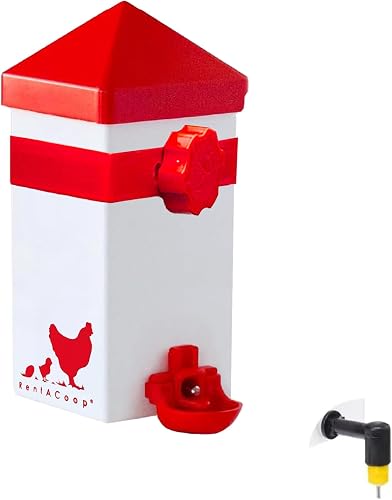
RentACoop Quail Waterer Review (2026): 32oz Bottle for a Covey
The RentACoop 32oz is the best single-bottle water fix for most quail keepers because it grows with the flock from week one. At roughly $18 it carries a vertical chick nipple and a horizontal adult nipple on the same bottle, so you buy once and swap the part.
Verdict: The best single-bottle water fix for most quail keepers, because it grows with the flock from chick to adult.
Best for: One cage or one brooder, chick to adult, with one bottle.
Rating: 4.2/5
Pros
- ✓ Carries a chick nipple and an adult nipple on one bottle
- ✓ Coop Clip mounts to wire, wood, or mesh
- ✓ Dribble dish keeps the cage floor dry under the adult nipple
- ✓ Sliding anti-roost lid makes top-fill refills easy
- ✓ BPA-free plastic, light to handle for a full wash
Cons
- ✗ A daily refill for a flock of twenty or more at 32oz
- ✗ Some owners report a leaking cap on first use
- ✗ One bottle serves one cage, not a stacked rack
Verdict in detail
For most keepers with one cage or one brooder, this is the bottle to buy. The yellow vertical nipple keeps day-old chicks safe from open dishes, and the red horizontal nipple with its drip-dish builds on the feed out at three to four weeks. You change one nipple and the same bottle keeps serving.
The bottle covers a single cage. Thirty-two ounces feeds roughly fifteen to twenty adults for a day, so a breeding rack empties it before sundown. For that set, see the full waterer comparison where the piped system feeds eight cups from one reservoir you top up instead of eight bottles.
The one thing that kept splitting owner reviews is the cap. Most people love the bottle, but a share of them report a leaking seal on the first fill, and it holds the rating around 4.2 rather than higher. Check the cap when yours arrives, and expect it to seat once it is clean and tight.
Specifications
| Capacity | 32 oz (1 L) |
| Type | Gravity bottle drinker |
| Nipples | 1 yellow vertical (chicks), 1 red horizontal (adults) |
| Mount | Coop Clip, wire/nest/mesh |
| Includes | Drip-dish tray, sliding anti-roost lid |
| Material | BPA-free food-grade plastic |
| Weight | 11 oz (0.31 kg) |
| Rating | 4.2 stars across ~1,003 reviews |
| Price | $17.95 (single bottle) |
Performance
Chick nipple and getting the timing right
The yellow vertical nipple is the reason most keepers pick this bottle over a plain dish. Chicks drown in open water, and the vertical nipple keeps the water sealed until a beak pushes the underside down. You hang the bottle in the brooder at week one, when the chicks sit under 95 degrees, and it serves clean water without a pan to fall into. Chicks learn the nipple in the first day or two. Tab the tiny latch a few times with a finger and they follow.
The switch to the red horizontal nipple comes at three or four weeks, when the birds feather out and the brooder heat drops off. By then they are big enough to work the horizontal pin, and the nipple tip meets a beak at a natural angle. The drip-catch tray below keeps the floor dry. Most waterers make you buy a second unit as the flock grows. With this one you swap the drinking end and the same bottle keeps serving.
The timing lines up with the heating schedule. Week one at 95 degrees, a drop of about 5 degrees a week, and in warm weather the heat comes off at three or four weeks. That is also the window where chicks outgrow the vertical tip and move to the horizontal one. One bottle, one swap, and the water routine stays simple from hatch to adult.
The drip-catch tray reality
The dish under the horizontal nipple is the part that splits reviewers. A horizontal nipple releases water when a bird pushes the tab, and it drips a little after every drink. The dish catches that bleed so your cage floor stays dry. On a wire-floor cage the dish does the job: the puddle from visits evaporates on its own, and the plastic under it stays dry.
On a solid floor or bedding, the dish still catches most of the bleed, but the edge of the mount can turn damp over a busy day. Review owners keepers in wire cages report a dry floor. Owners on solid floors say a layer of sand or a liner scrap under the dish keeps the area tidy. A horizontal nipples drips by design, and this tray is how the bottle answers that.
The tray pulls off for a quick scrub and cleans in a minute. The trade is that the tray gives the birds a shallow bowl they can paddle in. For most keepers it is a short trade, because the alternative is a wet floor or a blocked tip every few days. The tray collects what the nipple lets go, and the cage stays drier longer.
Water capacity and the refill math
Thirty-two ounces sounds like a full day until you count beaks. One adult quail drinks about 1 to 1.5 fluid ounces a day, and more in heat, so a full bottle covers roughly fifteen to twenty adults for a day, or a small flock for several. Four hens in one cage mean a refill about every five days. Twenty birds mean a daily top-up. The math is easy: divide your flock by twenty to get the days between refills.
The top-fill lid keeps the routine painless. You slide the cap, back a jug in, pour, and slide it shut. The cap doubles as an anti-roost guard, so a roo on top does not foul your cleanest water. The opening fits a sense of the jug spout, and you never unscrew anything for a routine top-up.
The bottle is BPA-free plastic and floats near 11 ounces empty, so it lifts off the clip easily for a full wash. A warm rinse and a bottle brush keep it clean, and the nipples unscrew for a deeper scrub. Every water bottle left in light grows line, so a weekly wash keeps the water fresh. The clear wall lets you check the level at a glance.
Leaking first caps
Across the hundreds of reviews, the one recurring complaint is a cap that drips on the first fill. It appears on the Amazon and Chewy listings alike, and it is why the bottle holds 4.2 rather than 4.4 or better. Before you hang it, hand-tighten the cap, fill it, and sit it on a counter for an hour to watch the seal.
If it still drips, a fresh cap is the fix. Some owners report the maker's replacement cap settled it for good, and others found the original just needed a firm seat. The leak lives in the cap ring on a small batch, not in the valve assembly, so once the cap lands the rest of the bottle behaves.
The Coop Clip and a mount that holds
The clip holds the bottle at the right height for a quail beak. You hook it to the top wire of a cage, angle the bottle so the tip leads the beak line, and it stays. In a wood wall the clip screws on. In mesh it hooks. One clip, three surfaces, and a full 32 ounce bottle stable at the right angle.
The clip keeps the bottle off the cage floor, and that matters more than it sounds. A bottle down low gets topped or buried in litter. This sits beak-high for the birds to drink, and the floor stays open. For more on how a mounted bottle fits a coop, see our quail cage guide. The right height and wire spacing are what keep the bottle out of the way.
The only limit is cage height. Quail cages run 8 to 12 cm high, so the bottle has to sit low enough for the keels to reach. The clip gives answers remote this, and the bottle is short enough for a normal quail cage. Taller cage units may need a low clip, but the mount adjusts in seconds.
Alternatives worth considering
The RentACoop covers one cage from chick to adult. A few alternatives fill the gaps it leaves, and each one wins for a different set-up.
When a different mount is the gate
If the mount is the hardest part of your build, the Hen's Choice 1L Drinker uses a near-identical cup, nipple, and wire bracket for about the same money. It mounts at the cage line instead of inside it, so you pocket the floor space in a tight run. It is the pick when you already have a wire top and want the vessel outside the cage.
When money is the whole question
The Little Over Quail Waterer Base (Pack of 3) drops the price to the floor. For about $8 you get three red bases with a narrow quail channel. The 1-quart screw-on jar that tops each base is sold separately, so budget jars into the stack. If you keep a few mason jars on hand anyway, this is the cheapest clean water in quail keeping and the answer when you want three stations instead of one.
When chicks are the entire point
The TGEYD Chick Feeder and Waterer Set is the pick when day-olds are the whole job. For about $13 you get a 1 litre feed base and a 1 litre water base in the same box, and the shallow water base does not let a chick drown. It does not outgrow into an adult waterer the way the RentACoop does, but you get feed and water together for less than the bottle alone.
When you never want to refill it
The perfsign Complete Piped Waterer System is the set-and-ignore answer for a multi-cage rack, at about $46. It runs eight cups off a single bucket you top up, instead of eight bottles you have to visit. The honest cons are that it is a DIY install and, at 175 reviews, the track record is thin. If you have a row of stacked cages and hate the daily bottle walk, weigh this one hard. For the full set of options, see the feed and water hub.
Frequently asked questions
Is the RentACoop 32oz waterer safe for day-old quail chicks?
Yes. The yellow vertical nipple keeps water sealed until a chick pushes the pin, so day-olds drink without an open dish to drown in. Hang it in the breeder at week one at 95 degrees, and switch to the red horizontal nipple at three to four weeks when the birds feather out and the brooder heat drops off.
How many quail does a 32oz bottle water in a day?
One adult quail drinks about 1 to 1.5 fluid ounces a day, and more in heat. A full 32oz bottle covers roughly fifteen to twenty adults for a day. A small flock of four hens will go about five days between refills, while a flock of twenty needs a daily top-up.
Does the drip dish make a mess on the cage floor?
On a wire-bottom cage the floor stays dry, because the dish catches the bleed from the horizontal nipple. On a solid floor or bedding the area around the mount can get damp over a busy day. A small, dry scrap under the dish keeps it tidy.
What if the first cap leaks when I fill it?
Some owners report the first cap drips from the ring. Tighten the cap fully, fill the bottle, and watch the seal for an hour before you hang it. If it still leaks, some owners report a replacement cap from the maker settling the drip for good.
Can I mount the RentACoop on a wire cage?
Yes. The Coop Clip mounts to wire, wood, or mesh. Clip it to the wire, angle the bottle so the nipple tip sits at beak height, and it stays put. On a wooden wall the clip screws on, and on mesh it hooks over the wire.
Is the RentACoop 32oz worth the price?
At about $18 for a single bottle, it is a fair price for a keeper with one cage or one brooder. It carries both a chick and an adult nipple, so you buy one bottle instead of two. Skip it for a multi-cage rack and look at a piped automatic system instead.
When do I switch from the vertical to the horizontal nipple?
Switch at three to four weeks, when the birds feather out and the brooder heat drops off. The yellow nylon nipple serves chicks from day one, and the red horizontal one takes over once the birds are big enough to work a horizontal pin. The brooder heat comes off at the same time.
How do I clean the RentACoop waterer?
Slide the lid, empty the bottle, and rinse with warm water. A bottle brush clears the inside, and the nipples unscrew for a scrub. Algae builds in any waterer in bright light, so a weekly wash keeps the water cheap. The bottle is BPA-free plastic and washes in minutes.