 Quail Corner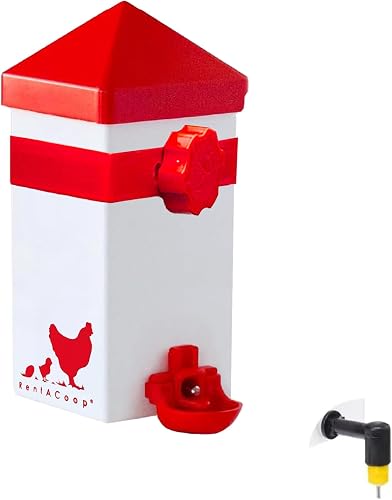
Quail-grade bottle alternative
RentACoop 32oz Chicken Drinker with 2 Versatile Nipples
$$
Check Price on AmazonYes, adult coturnix will drink from a rabbit water bottle, and plenty of backyard keepers have made one work for a whole flock. The one real catch is the nipple: a firm ball trigger is fine for a grown bird, but it stops a day-old chick and a small button quail cold, because they cannot peck hard enough to trip it.
You don't have to give up a bottle you already own. For the exact unit that grows with chicks and keeps the water clean, our quail waterer picks come from the full roundup. This page walks through when a rabbit bottle is good, what a quail-grade bottle changes, how to stop chicks drowning while they are tiny, and a bird-count method so you buy the right size the first time.
The real difference is the nipple tip and how hard a bird must peck to trip it. The jug is the same no matter which side of the barn it came from. A rabbit ball nipple is built for a strong bite, while a quail-grade bottle softens the trigger and usually pairs a short nipple for chicks with a horizontal one for adults, so one bottle carries a flock from the brooder to the grow-out.
$$
Check Price on AmazonThe bottle above is the closest rabbit-style unit that actually works for a flock. It pairs a soft vertical nipple for chicks with a horizontal one for adults on the same jug, and the dribble dish keeps the mesh dry below. Buy this one instead of a plain rabbit ball-nipple bottle when chicks are part of the plan, because one purchase covers the birds as they grow.
| Style | Tip and trigger | Chick safe | Adult use | Mount |
|---|---|---|---|---|
| Rabbit ball-nipple bottle | Stiff ball, firm peck | No | Yes, once learned | Hangs above the wire |
| Quail-grade dual-nipple bottle | Soft nipple, light touch | Yes | Yes, horizontal pick | Clips to wire or wood |
| Shallow chick starter | Open shallow base | Yes | Yes | Sits on the floor |
| Piped cup line, automatic | Open cups off one tank | Only the shallow end | Yes | Mounts to each cage |
A stock rabbit bottle is the cheap, familiar option, and it is fine for adult coturnix once they learn it. The ball trips when a grown bird pecks firmly, and you refill around it each day. The catch arrives with the next hatch, when a day-old chick trips nothing and stands dry under the tip, so keep it out of the brooder.
This keeps the rabbit shape and swaps one useful part. The vertical tip feeds the chicks, the horizontal one feeds the adults, and both hang off the same jug, so it grows with the flock. The cup keeps the floor dry below. The same skill is in a single-cage option like Hen's Choice 1L cup and nipple bottle , where a cup or a nipple threads onto the same jar.
A low-cost chick starter dish with a shallow base is the right brooder tool for day-old birds, and when they grow past it, a deeper piped cup line like the fully automatic waterer feeds several cages from one tank. The shallow base is what makes week one safe, and the piped line trades one afternoon of DIY plumbing for no more daily refills.
Each adult drinks about 1 to 1.5 fluid ounces (30 to 45 ml) a day, more in heat, so size the reservoir to the flock. A single cage of a few birds rides one bottle and you to it up each morning. A stacked breeding rack with several boxes wants a cup line off a tank, because one bottle drains by mid-afternoon when a dozen birds share it in summer.
The cheap start is a jar base you screw a quart jar onto. It suits a small run and wipes clean in minutes, and you trade a daily refill for the lowest price, a fair swap when you keep only a few birds. Buy the automatic line once the daily refill crosses several boxes, when it starts paying you back in time.
The trigger weight matters more than the bottle. A chick cannot trip a firm ball, so you end up hand-watering a shallow dish anyway. The light vertical nipple lets a tiny beak drink, while the horizontal tip matches an adult's harder peck. One bottle that does both is why the dual-nipple pick keeps coming up for new keepers.
The common failure is a bottle hung out of reach. The bird can reach but cannot push the tip flat, so no one learns to drink. Set the tip at chest height, and for a rabbit ball bottle keep the ball near the perch and out from the litter.
Coturnix keep it together down to about 20 degrees in a dry, draft-free shed, but a drink freeze long before the birds do, so a cold shed needs a heated reservoir or a regular swap. Past about 90 degrees they run hot and drain the one bottle fast, so a second water point helps at both ends of the year.
| Tier | Price | What you get | Best for |
|---|---|---|---|
| Beginner | Under $15 | A mounted bottle or a shallow chick starter | A few adults on a budget |
| Core | About $20 to $30 | A dual-nipple bottle with a chick tip and an adult tip | Most single-cage flocks, the sweet spot |
| Upper | Around $50 and up | A piped cup line with a float valve, or a heated bucket | Stacked cages and cold-shed water |
The right bottle grows with the flock, serves one cage or a whole stack, and keeps you out of the dish. For the units we actually recommend, the round-up has every style ranked by flock size and set-up:
Yes, an adult flock will drink from a rabbit bottle, and this is not a new workaround. On the Backyard Chickens forum and across keeper threads, owners describe teaching grown coturnix a ball bottle in the afternoon: peck the tip until a water drop forms, and a chicken pecks the ball. Once one bird works it out, the rest copy it before dinner.
The clean-water trade is real. A sealed bottle keeps dust and crumble out of the drink better than an open tray, but a tip can sweat and drip, so you finish the cup at each refill. For adult birds at room temp, the trade pays. For a day-one brooder it is the wrong tool.
The age catch is where it bites. Day-old chicks and tiny button quail often cannot trip a hard ball at all, so the bottle sits full and the birds stay dry. That is why the right fix is a matched nipple: a soft one for a small beak, a wider one for adults, and a shallow dish for any bird that reaches neither.
The real danger is open water. Quail chicks and button quail are small enough to drown in a deep dish, and button quail top out near an ounce and a half, so they stay in danger through the early weeks. The fix is to keep the water shallow.
Run a shallow dish, or drop a few pebbles or marbles into the pan so the surface stays too crowded for a baby to land in. A soft vertical nipple on a quail-grade bottle is the cleanest fix, dribbling one drop at a tap with no open pool. Keep the brooder at 95 degrees for week one, drop it about 5 degrees a week after, and cut the heat by weeks three to four once the birds feather out.
Check the depth each refill in low light. Chicks learn fast, and spending a minute a day on the shallow guard takes nearly all the first-week losses off the table.
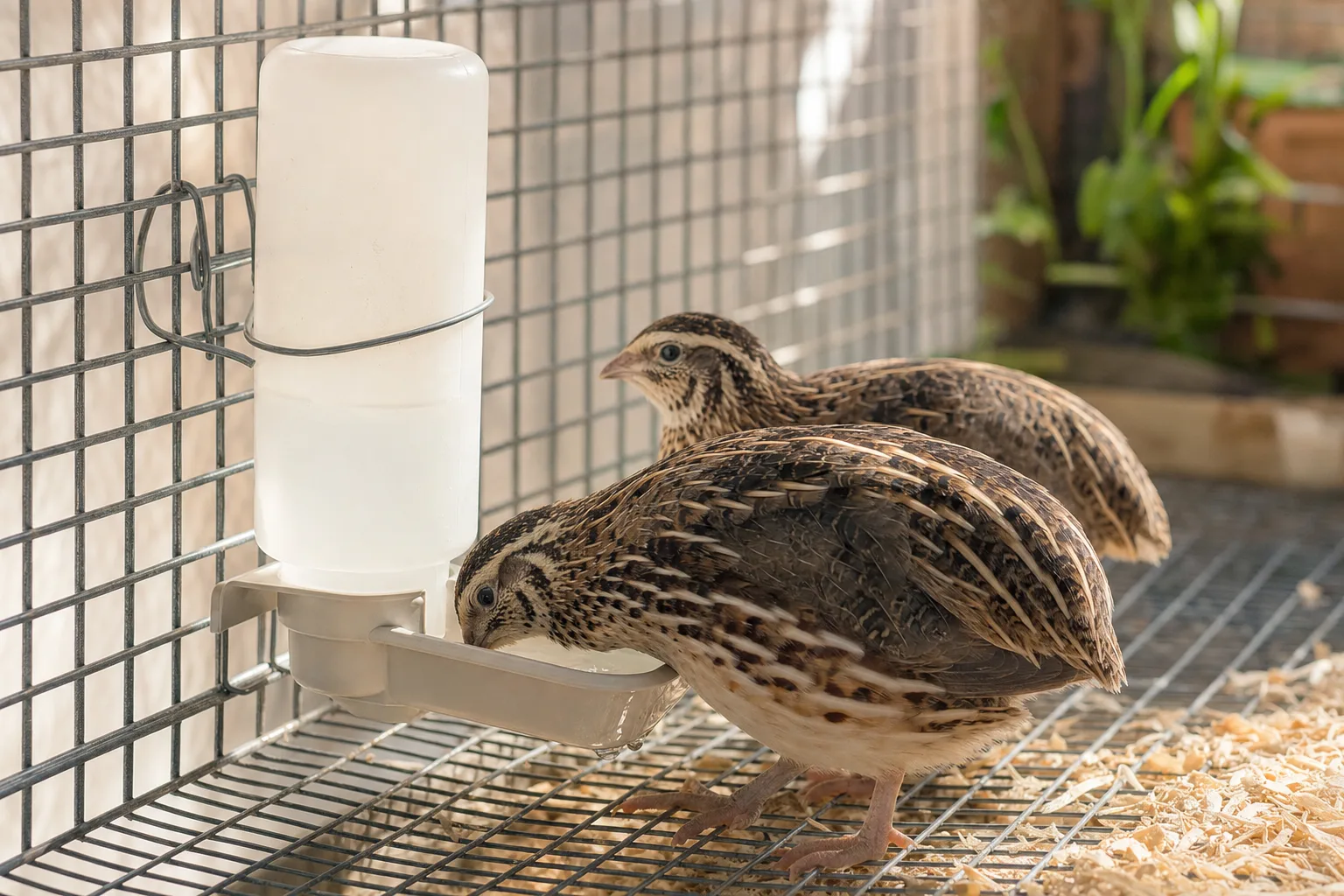
Yes, adults take to a horizontal nipple fast and it keeps the water cleaner than an open dish. Day-old chicks do better on a soft vertical nipple, because a stiff ball tip asks for a stronger peck than a small beak can give.
Not in the first few days. The rabbit ball nipple is usually too stiff for a day-old chick to trip, so the bird stands under it and goes thirsty. Run a guarded dish or a soft vertical nipple through week one, then switch.
The jug is the same, the tip is not. A rabbit bottle trips a ball only with a firm peck. A quail-grade waterer uses softer nipples, a vertical one for chicks and a horizontal one for adults, so one bottle grows with the flock.
Most adults learn within an hour or a day. Mount the tip at chest height, keep the water running so it wets the tip, and they catch on. Tapping the nipple so a drop forms helps a new bird find it the first time.
They may, but the stiff ball tip can be too much for a bird around an ounce and a half. Set a shallow dish with marbles or pick a soft short nipple, and always mount it low.