 Quail Corner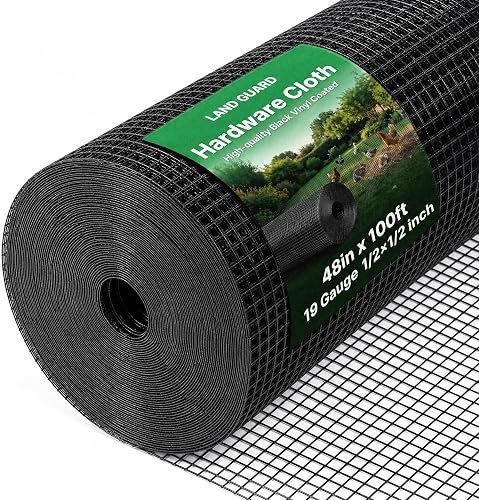
Best Overall
Land guard 48 inch×100 ft Black Vinyl Coated Hardware Cloth, 19 Gauge 1/2 inch Black PVC Hardware Cloth, Welded Wire Fence Supports Poultry Netting Cage Fence…………
$$
Check Price on AmazonWatch for the center of the wire bowing under a drinker, a tray rubbing, or birds stepping on a low spot. Move adult Coturnix to secure temporary housing before you unload or turn the cage. A sag usually starts with support, fastening, frame, or loading, so repair the cause before adding new mesh.
A four-step repair and safety check
A stable floor that supports the birds, keeps edges safe, and still works with the manure tray.
Brace the floor when the mesh is intact and the frame can carry the added support. Replace the panel when wire is stretched, bent, corroded, sharp, or still sags after fastening. Material choice is only one part of the job, so compare our quail flooring picks alongside frame, tray, and loading needs.
For a replacement, the catalog-listed Land Guard cloth is flat welded mesh with 1/2 in x 1/2 in openings, a 48 in x 100 ft roll, black vinyl coating, and a 19-gauge listing detail. It is raw material, not a finished floor. You still need to measure, cut, fasten, finish edges, add support, and confirm tray fit. Availability, price, and rating can change.
Gather the temporary housing and inspection tools before you touch the cage. You need enough light to see bent wire and sharp cut ends, plus fasteners and support material that suit the existing frame.
If the damaged panel needs replacing, the Land Guard hardware cloth is a material option. The roll is large, though it does not solve a bent frame or a poor tray design.
Check the Land Guard hardware cloth $$
Check Price on AmazonWork from the birds outward: secure them, find the real source of movement, then choose a brace or replacement. This order keeps you from covering a frame problem with new mesh.
Move the Coturnix into secure temporary housing before lifting or turning the cage. Remove the manure tray, feeder, waterer, bedding, and anything else resting on the floor. A waterer or feeder fixed to the floor adds weight in one spot. That can make a support problem look like a mesh problem.
Check stocking while the cage is empty. Adult Coturnix need 1 ft² per bird minimum in a wire cage, and 1.5 ft² is kinder. Crowding leaves birds less room to step around a damaged area. For broader cage, tray, and stocking decisions, use our complete quail cage guide.
Look along the frame before touching the mesh. Check loose fasteners, separated joints, bowed rails, missing underside supports, and mesh that has pulled away from its attachment points. Press gently in several places and watch whether the frame moves with the wire.
If the frame is straight and the mesh is intact, add support beneath the affected area and refasten the mesh without leaving a loose pocket. If the wire itself is stretched, broken, corroded, or sharp, plan a replacement. New fasteners cannot make damaged wire safe.
For a brace repair, support the underside from the frame and secure the sound mesh so it lies evenly. Keep supports out of the birds' walking surface and away from the tray path. Do not use the feeder or waterer as a structural support.
For replacement, measure the opening, cut the cloth carefully, fasten every edge to the frame, and secure every cut end so no point or hook faces the birds. An adult wire cage uses 1/2 in x 1/2 in hardware cloth. Chicks need 1/4 in floor wire or an appropriate solid floor, so do not move a chick panel into an adult cage plan without checking the whole setup.
For an elevated roll-out design, inspect quail cages with egg roll-out trays before you rebuild the slope. The floor, front lip, and tray must meet cleanly, with approximately 7–10° used as the floor angle. A new panel that blocks the tray is not a successful repair.
Run a gloved hand over the entire surface and edges. Look for protruding wire, openings that changed during fastening, rocking supports, and places where toes could catch. Slide the empty tray in and out, reinstall the feeder and waterer, and check that their weight does not pull the floor down again.
Keep the cage empty while you make any final correction. Return birds only when the floor stays stable under the normal setup and the tray, door, and surrounding frame still work together.
The most common repair errors are treating every sag as a wire problem and returning birds before checking the whole cage. Slow down at the frame, loading points, and edges.
Match the visible symptom to the likely source. A floor that sags only under a drinker needs a different fix from a panel that bows across its full width.
The mesh needs underside support or better fastening. Remove concentrated weight, add support from the frame, and refasten the sound wire. If the wire has permanent bends or damaged welds, replace it instead.
Inspect the cage stand, frame joints, and mounting points before changing the floor. A new panel will not correct a twisted base. Re-level or repair the frame, then check the tray and bird footing again.
A brace, fastener, or replacement edge is in the tray path. Remove the obstruction and confirm that waste can still fall clear. If the cage is designed for egg roll-out, review the floor angle and front lip together rather than forcing the tray.
Check for a changed opening, loose plastic, a slick patch, or an unstable support. Fix the mechanical issue first. If a concerning foot problem remains after the surface is safe, talk to a veterinarian or extension office.
Recheck the frame, fasteners, and loading points. The cage may need a new panel, a stronger frame repair, or a different floor design. If the cage cannot hold a stable floor at its intended stocking, replacing the whole cage can make more sense. See our complete quail cage guide for the larger design decision.
Wire suits many elevated adult Coturnix cages because waste can fall into a tray. A solid floor can work when bedding and moisture are managed deliberately, while a ground pen or aviary needs a different plan and 2 ft² per bird or more. Forget Me Not Quail Farm's wire-versus-solid comparison and Community Chickens' Coturnix housing article discuss the sanitation and off-wire tradeoffs.
Button quail are outside this guide's main scope. Their smaller feet and enclosure needs deserve our button-quail cage guide, rather than an adult Coturnix floor repair copied over without checking the openings.
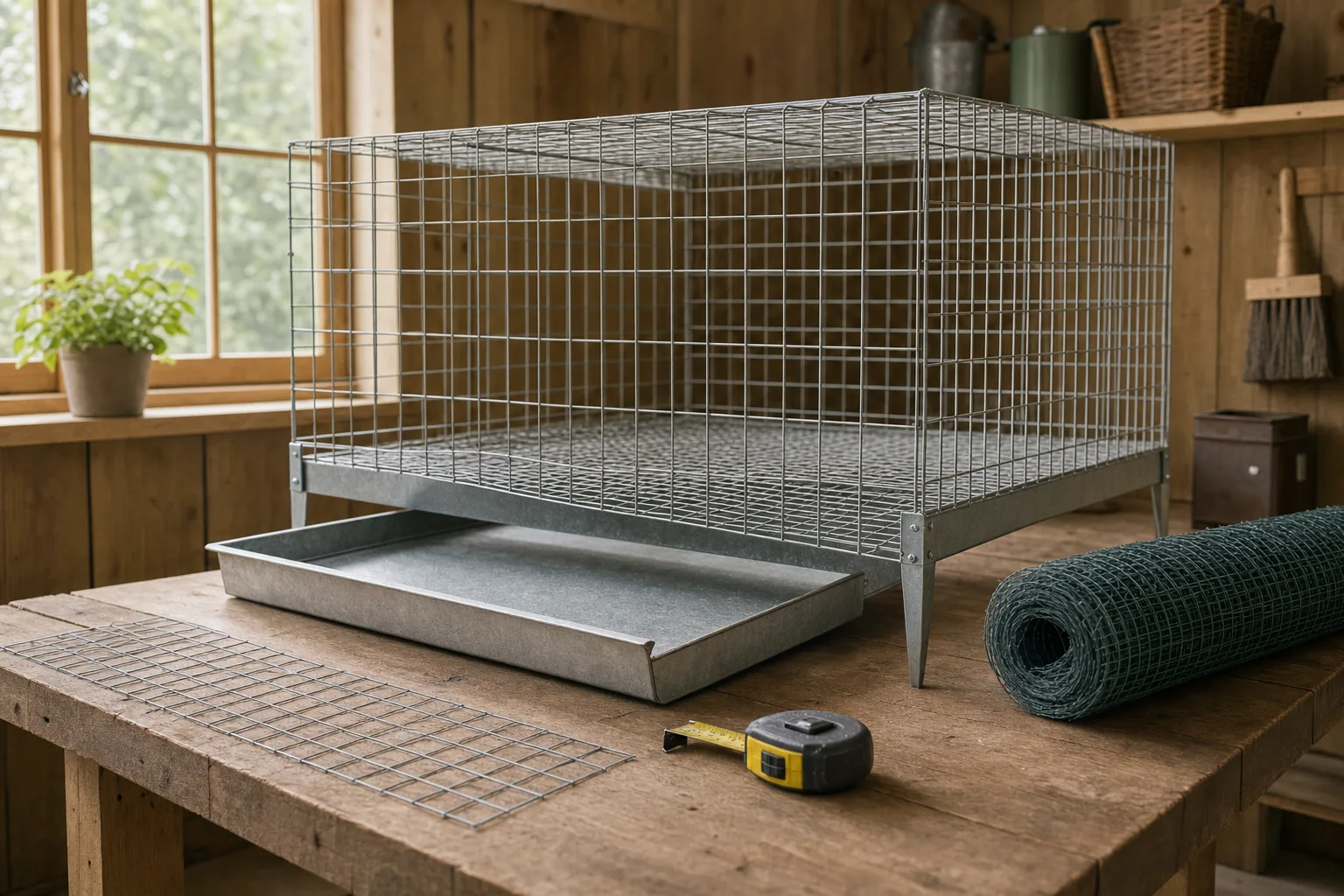
For an adult Coturnix wire cage, use 1/2 in x 1/2 in (13 mm) hardware cloth. Chicks need 1/4 in floor wire or an appropriate solid floor. Inspect the actual openings and every cut edge before birds go back in.
Wire works well with a manure tray in an elevated cage, while solid flooring needs deliberate bedding and moisture management. The better choice depends on your housing type and how you handle waste.
It can work when the openings, leg support, footing, and cleanability suit the setup. Do not assume every poultry or kennel slat is safe for quail. Check the installed surface rather than relying on the product category.
PVC-coated wire offers a different surface and corrosion tradeoff from bare galvanized wire. <a href="https://forgetmenotquailfarm.com/wire-floor-vs-solid-floor-quail/">Forget Me Not Quail Farm's wire-versus-solid comparison</a> discusses the flooring choice. Inspect the coating and all cut edges, and replace wire with peeling or sharp areas.
A removable solid panel can offer an off-wire area if it stays dry and clean. It does not replace enough floor space, and it should not trap waste beneath the birds. Keep the panel easy to remove and inspect.
Aim for approximately 7–10° when the cage is designed for roll-out collection. The floor, front lip, and tray must work together. Never retrofit a slope that creates a gap or leaves the birds standing on an unstable surface.