 Quail Corner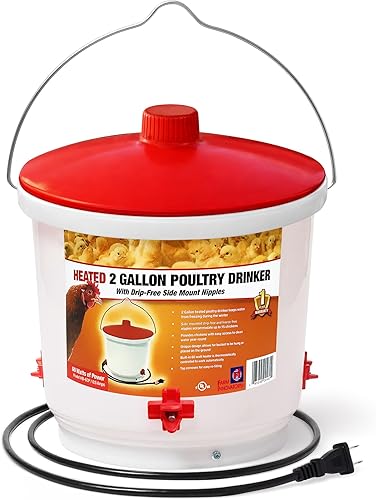
Verified Heated Drinker
Farm Innovators HB-60P Heated Poultry Waterer Drinker, 2-Gal, 60W
$$
Check Price on AmazonIf your heated quail waterer is not working, put clean water in front of the birds first. Then identify the failure: a frozen nipple, a frozen tank, or a heater that never powers on. If the unit, plug, cord, or connection is wet or damaged, take it out of service and follow the manual.
A safe seven-step check for frozen, empty, or leaking equipment
You will know whether the fault is fixable through normal cleaning and placement, or whether the unit should stay offline and be replaced.
Start at the part showing the failure. Frozen nipples usually send you to outlet exposure, wind, ice, or cage placement; a frozen reservoir sends you to power, water level, or heater operation. An empty or leaking unit needs a check of its seal, fitting, level, and condition.
For a replacement or a different setup, see our heated quail waterer picks. A new unit is a fallback, not proof that the original fault has been fixed.
Keep the birds supplied with clean, accessible water while the unit is offline. Bring the manual, clean water, a towel, soft brush, spare waterer, and flashlight so you can inspect the setup without improvising repairs.
$$
Check Price on AmazonRun these seven checks in order, with backup water available. Start with what you can see, make only safe external checks, and finish by watching the birds drink.
Record whether the reservoir, outlet, line, cup, or whole system is frozen. Also note leaks, an empty tank, or no sign that the heater operates. This tells you where to look first.
Check the outlet, switch, and circuit status only in the ordinary manner allowed by the product instructions. If the cord, plug, outlet, or connection is wet or damaged, stop and seek qualified repair or replacement. Do not troubleshoot inside the heater.
Refill only as the manual directs. A thermostat controls heating behavior; it does not make an empty unit safe to operate. Never bypass the thermostat or run the heater dry.
With power disconnected, remove visible ice or litter as the manual permits. Do not force a frozen nipple, scrape it with a sharp tool, or use an improvised flame or heat source.
Move the waterer to a sheltered, dry, stable position if the water is liquid but the nipple freezes. Penn State Extension’s small-scale poultry housing guidance also stresses protection from weather and a dry, draft-free house. Keep required ventilation and route cords away from the birds.
Look for a displaced seal, loose fitting, tipped reservoir, crack, or water collecting where it should not. Replace damaged parts or the unit if the manufacturer’s instructions offer no safe service path.
Keep clean backup water available while the unit is offline. Once water flows, confirm each outlet delivers water and each bird can reach and use it before removing the backup.
Repeat failures usually start with dry running, exposed outlets, dirty parts, or a setup that tips and pulls on its connection. Use this short symptom-to-fix list during your routine check.
For a separate leak diagnosis, follow our waterer leak checklist.
The outlet sits in colder, moving air than the reservoir, so wind can ice a nipple while the water inside stays liquid. Premier1Supplies explains this on its Heated Poultry Waterer page, which makes it a vendor product explanation rather than a promise for every design. Meyer Hatchery Blog’s winter waterer discussion also covers exposed nipple and cup freezing for poultry.
The Farm Innovators HB-60P has three side-mounted nipples and is marketed as thermostatically controlled. Inspect those side outlets, surrounding wind, litter, and cage layout. Its manufacturer claim of accommodating up to 15 chickens is a chicken claim, not a quail capacity recommendation.
Unplug it, drain it if appropriate, and inspect the seal and threads. Reseat them only as the manual allows. Replace a damaged seal or unit rather than leaving a wet cage in service.
Check for ice, litter, cross-threading, or damage with power disconnected. Do not force the mechanism. Remove the waterer from service if the outlet stays wet or the manual gives no safe repair path.
Check level placement, cracks, loose connections, and contact from birds or cage hardware. If the reservoir or fitting is damaged, replacing the complete unit can be the cleanest route. The Farm Innovators HB-60P is a 2-gallon unit with a 60-watt thermostatically controlled heater, three side-mounted nipples, removable top, metal handle for hanging or ground placement, and one-year warranty. Its manufacturer claims it accommodates up to 15 chickens.
See the Farm Innovators HB-60P
Remove the unit from service, clean removable parts according to the manual, rinse fully, and refill with clean water. Heating does not replace cleaning or make a dirty reservoir safe to ignore.
Keep a clean, unfrozen backup waterer secured where every bird can reach it, then monitor both equipment and birds. With a nipple system, watch each bird reach and activate an outlet. Lil’Clucker’s keeper-oriented winter guide also recommends keeping a backup for equipment trouble. For DIY waterer options, choose a setup that stays clean and accessible.
If a bird appears unwell or is not drinking, stop treating this as an equipment problem and contact a veterinarian or extension office.
No. Adult coturnix need continuous access to liquid water. A heated waterer is a convenience for freeze prevention, while dry, draft-free housing remains the foundation. With that housing, adult coturnix are fine to about 20 °F (−7 °C).
Separate a frozen reservoir from frozen nipples, then check external power, water level, drafts, outlet exposure, placement, and the manual’s operating conditions. Designs differ, so a fix for one waterer will not solve every freeze-up.
Disconnect unsafe equipment and follow the manufacturer’s instructions. Remove visible ice without forcing or damaging the nipple, then provide clean backup water. Never use an improvised flame or leave a leaking outlet in service.
No. It helps keep drinking water liquid. It does not provide bird heat or replace dry, draft-free housing, so keep the water equipment and the cage-heating question separate.
Use a clean, accessible backup water source and monitor the flock and equipment. Follow the product manual, then replace or service unsafe equipment. Do not count on a promised outage duration or temperature performance.
A base suits someone who already owns a compatible fount and wants seasonal flexibility. A complete heated drinker is simpler for a new installation. Verify compatibility before buying, because a base does not include a complete waterer.