 Quail Corner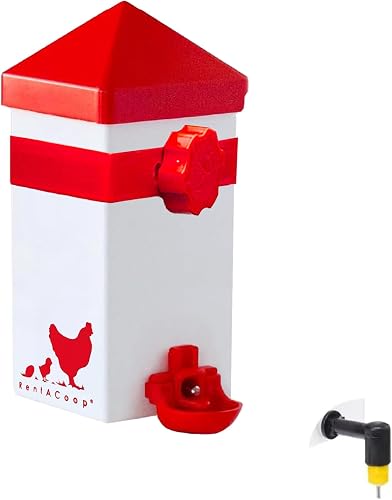
What Size Nipple Waterer for Quail: Capacity and Fit Guide (2026)
The right nipple waterer size covers your flock’s expected demand and still lets you inspect and refill it easily. For adult Coturnix, plan around 1–1.5 fl oz (30–45 ml) of water per bird per day, with more in heat. Cage fit and reliable access matter as much as bottle volume.
A “size” choice has three parts: the drinking point and its access, the reservoir capacity, and the hardware that mounts or connects the system. A single cage usually needs a simple bottle. Stacked cages often need a piped line, so compare our automatic quail waterer picks rather than sizing a bottle in isolation.
Which waterer types can you buy for quail?
Four choices cover most backyard setups: a gravity bottle, a piped nipple line, a gravity cup line, or a heated reservoir. Pick by cage layout and bird access first. Capacity comes after you know where the drinking point will sit.
Small gravity bottle with nipple
Choose this for one cage and easy refills. The bottle stays outside, the mount clips to wire or mesh, and you can see the reserve before opening the enclosure. Skip it when you need one reservoir across several tiers.
Piped nipple line
Choose a line for stacked cages and distributed access, when one accessible reservoir can feed several cage positions. A headline kit can omit the pipe, bucket, seals, fittings, or glue, so check the parts list before you call it ready. Skip it if routing and leak checks feel like more work than a daily refill.
Gravity cup line
Cups suit keepers who want easy-to-see drinking points and a water level at a glance. Open cups can collect litter, so choose them only where inspection and cleaning are easy. For product-level comparisons after learning the categories, see our broader quail waterer guide.
Heated reservoir or waterer
Heating is a seasonal and electrical decision. It belongs where the reservoir stays dry, cords and connections can be protected, and birds can reach the drinking points. It adds hardware, so it is not the default answer to a bottle-sizing question.
How much water capacity should you plan for?
Start with about 30–45 ml per adult Coturnix per day, then multiply that range by the number of adults. Choose practical refill headroom without buying a reservoir so large that you cannot inspect or clean it. Heat increases water use, and leaks can empty a system faster than flock math predicts.
Mississippi State’s Feeding Quail extension material stresses clean water. Penn State Extension also treats water access and sanitation as basic poultry-production jobs. Use the calculation as a planning starting point, then look at the actual reservoir, cups, wet litter, and flock access each time you check the cage.
Are nipples or cups better for quail?
Nipples can reduce exposed open water, while cups make drinking and availability more visible. Either works when the point is reachable, correctly installed, and checked. The better choice is the one your birds use reliably in the cage you actually have.
In Backyard Poultry, keeper Chuck Krueger describes open water systems becoming dirty and explains why he wanted an automatic setup that stayed cleaner. Raining Quail Alaska’s brooder-waterer guidance also shows why young birds deserve a supervised transition. A nipple must release water; a cup must stay accessible and reasonably clear of litter.
What should you check before buying a nipple waterer?
Check the whole route from reservoir to beak: the mount must fit the cage, the kit must include the parts you need, and the water path must remain visible. Then match the design to the birds’ age and your winter setup. Those checks prevent a large bottle from masking a failed drinking point.
Can the nipple and mount fit the cage wire?
Check the outside-cage bottle mount against your wire or mesh before buying. The drinking point needs to reach the quail without a blocked corner or awkward climb, while you still need to refill the bottle from outside. A good mount solves both jobs.
Is the system actually complete?
Read the parts list line by line. Look for nipples or cups, connectors, pipe or hose, seals, drill bits, a reservoir, mounting hardware, and glue or other assembly supplies. “Complete” can describe the included drinking parts while leaving the bucket or PVC to you.
Can you inspect the water path?
Keep the reservoir visible and the drinking points reachable. A new line needs priming and a check of every threaded connection before the birds rely on it. Watch for a dry cup, a nipple that does not release water, an unexpectedly empty reservoir, or wet litter below a fitting.
Does the design suit the birds’ age?
Young birds can need a supervised transition to nipples. Touch the point only as needed to confirm release, watch that the birds drink, and keep an appropriate fallback if they do not use it. Read whether a rabbit-style waterer fits your quail if you are comparing small-bird drinkers.
Is winter hardware genuinely needed?
Choose a heated unit for a real seasonal need, not because a larger reservoir sounds better. Dry placement, protected electrical connections, and visible bird access still matter. Keep the heater separate from ordinary capacity math.
Which budget tier fits your setup?
Low-cost parts can work, yet the headline price is only the start. Count the reservoir, pipe, seals, tools, mount, and your installation time before comparing a loose kit with a bottle or complete line.
- Low-cost loose parts: Individual nipples or cup kits keep the entry cost down. Add pipe, a reservoir, seals, fittings, tools, and time.
- Mid-range bottle or compact automatic set: This usually pays for a mount, bottle, and adaptable drinking point. It is the clearest fit for one cage or a small setup.
- Higher-cost piped or heated system: You are buying distributed access or seasonal heating. Installation, cleaning access, reservoir choice, and electrical safety still decide if the system earns its keep.
What mistakes should you avoid?
Most waterer failures start with cage fit or missing hardware, not an undersized bottle. Check the complete path from reservoir to drinking point before you put the system into service.
- Sizing only the bottle: A large reserve cannot fix an inaccessible, dry, blocked, or poorly mounted nipple.
- Assuming complete means ready: Confirm the bucket, pipe, fittings, seals, drill bits, and adhesive requirements. For homemade options, compare DIY quail waterer builds before ordering loose parts.
- Skipping the first leak check: Prime a new line and inspect every threaded connection before relying on it.
- Mounting for the keeper: Outside access helps only if the drinking point remains reachable and visible to the quail.
- Treating automatic as maintenance-free: Keep the reservoir and drinking points accessible. Watch for dry cups, failed nipple release, sudden water loss, and wet litter under fittings.
Which waterer is the practical one-cage pick?
For one cage, the verified RentACoop 32oz Chicken Drinker with 2 Versatile Nipples is the sensible starting point. Its listing describes a 1-liter bottle, yellow vertical and red horizontal nipple options, a dribble dish with the horizontal option, and a Coop Clip that attaches to wire fencing, wood, or mesh. It carries a $$ price band.
Check the RentACoop price on Amazon
Pros
- ✓ Bottle and mount suit a single cage
- ✓ Two nipple orientations give you a choice of access
Cons
- ✗ One bottle is a poor fit for a distributed multi-cage line
- ✗ Young birds still need observation during transition
For a stacked or multi-cage setup, use Best Automatic Quail Waterer (2026): 7 Picks for the full system comparison instead of forcing a small bottle to do a line’s job.
Frequently asked questions
How many nipple waterers per quail do I need?
There is no facts-sheet universal nipple-per-bird rule. Choose reachable drinking points for your cage layout, verify that each one releases water, and watch the flock during the changeover so a blocked or awkward point does not leave a bird without access.
Are quail water cups better than nipples?
Cups make drinking and water availability easy to see, while nipples reduce the exposed open surface that can collect litter. Either can work when the point is reachable, installed correctly, checked often, and used by the birds.
Which nipple waterer is best for quail?
For one cage, the RentACoop 32oz Chicken Drinker with 2 Versatile Nipples is the most practical fit because it combines a bottle, mount, and two drinking-point orientations. A stacked or multi-cage setup belongs in our automatic-waterer roundup instead.
What size reservoir does a quail waterer need?
Plan from about 30–45 ml per adult Coturnix per day, with more use in heat. Multiply that range by the number of adults, then choose a reservoir that leaves refill headroom while staying easy to inspect, clean, and check for leaks.
Can young quail use a nipple waterer?
Do not assume every chick will use a nipple immediately. Raining Quail Alaska describes young birds learning nipples with observation, so supervise the transition, confirm water releases, and keep an appropriate fallback available if a bird does not use the device.