 Quail Corner
Best for a system reset
RentACoop Secure Non-Adhesive PVC (S.N.A.P) Glueless Watering System Starter Kit for 1/2" Schedule 40 PVC Pipe - Chickens, Quail, and Poultry
$$
Check Price on AmazonQuail ignore a nipple waterer for four practical reasons: no water is coming out, the outlet is hard to reach, the birds do not recognize it yet, or a leak or blockage has made the line unreliable. Keep a known-working drinker available as you check. Watch birds take water at the outlet; pecking alone does not tell you enough.
A four-part check for flow, access, learning, and repairs
A water setup the birds can reach, operate, and use with confidence
Start with water flow, then check reach and cage placement. Tap each nipple to expose a visible drop, let the birds investigate, and leave the familiar drinker beside it until you have seen repeated drinking. For help choosing between cups, nipples, reservoirs, and mixed systems, see our quail watering system picks.
Do not remove water and wait for thirst to force adoption. A few pecks can mean curiosity, so watch for actual droplets and return visits by more than one bird.
Gather the installed waterer, clean water, a known-working backup drinker, and a way to see whether every outlet produces a drop. Keep the instructions nearby. A flashlight, clean cup, and paper towel help with checks. The RentACoop 32oz drinker is optional if you want a simple transitional unit, not a requirement.
$$
Check Price on Amazon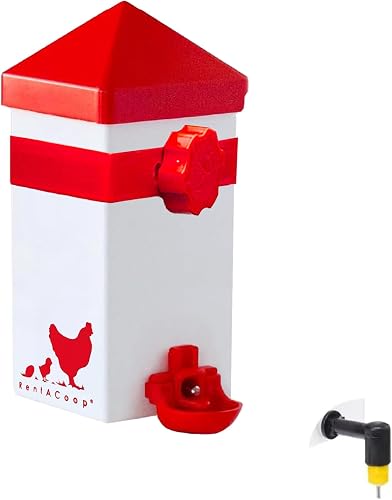
$
Check Price on AmazonPut the known-working drinker where every bird can reach it. Leave it there while you diagnose the nipple line. Adult Coturnix typically use about 1–1.5 fl oz (30–45 ml) of water per day, with more in heat. Treat that as a planning reference, never as proof that a particular bird is drinking now.
Inspect the reservoir level, shut-off position, tubing route, fittings, and visible leaks. Tap each nipple and confirm a visible droplet. If one stays dry, look for a blocked valve, trapped air, a mis-seated seal, or a line that is not receiving water. Wipe away test water, reconnect the line, and repeat the check.
A configurable example is the RentACoop S.N.A.P. starter system. Its listing specifies a one-gallon container, one float valve, one shut-off valve, four auto-fill cups, four horizontal nipples, glueless S.N.A.P. parts, and compatibility with 1/2-inch Schedule 40 PVC. Those components give you several points to inspect, not an automatic guarantee of success.
Tap the nipple so a drop catches the light. Let the quail investigate; do not force a beak onto the valve. The Happy Chicken Coop quail-waterer explainer describes a learning curve, and Backyard Chickens threads such as “Training quail to drink from poultry nipples” and “Can your quail drink from horizontal nipples?” add keeper experience. These sources offer practical guidance, not a universal training timetable.
Chicks deserve closer checks. The Happy Chicken Coop notes that brand-new babies can lack enough force to operate some nipples, so offer a shallow, known-working alternative while you demonstrate the outlet. Adults also need observed use, especially after a cage move or a change in nipple style.
Check at several points during the changeover. Look for a real droplet and repeated returns to the outlet by more than one bird. Keep the familiar drinker until that pattern is clear. If a cup or jar backup is easier for your cage, our DIY quail waterer guide covers simpler options.
Set the nipple where the birds can reach it through the cage wire without a perch, feeder, or wall blocking the approach. Keep the reservoir stable, protect the tubing from pecking, and leave enough visibility to check the water level. Penn State Extension's Small Scale Poultry Housing guidance recommends positioning watering equipment around the birds' back height and keeping equipment clean. Use that as practical poultry guidance, not a universal quail nipple measurement.
Match the visible symptom to one focused fix. Keep the backup drinker in place throughout the repair.
Recheck the reservoir, shut-off, tubing, fittings, and outlet mechanism. Leave the backup available while you work. A dry line is a system fault, not a training problem.
Isolate that branch instead of leaving the whole cage without water. Reseat or replace the affected part according to the product instructions, then test it again before relying on it.
Offer a visible droplet, improve access, and keep the familiar drinker beside the nipple. Curiosity is not the same as drinking, so wait for repeated observed use.
Use a shallow, known-working alternative and monitor closely. Do not make a young bird prove it can operate a nipple.
Keep the backup in place and use our leaking-waterer checklist to diagnose the wet cage or failed branch. Mississippi State University Extension Service's “Poultry Water Line Sanitation” explains why routine flushing and sanitation matter. Its “Water Quality Critical to Broiler Performance” page adds broader poultry context, rather than quail-specific training evidence.
If birds repeatedly avoid the outlet after you confirm flow, reach, and observation, the design may be a poor fit for that cage. A mixed system can let you keep a familiar cup while assessing nipples. A cup or bottle can also make the transition simpler while a complicated line is repaired.
For a broader product comparison, read the broader quail waterer comparison. It is a better next step when the problem is the waterer's fit, rather than one failed branch. Prices and product details can change, so follow the current listing and instructions.
Verify that each outlet works, then tap a nipple so a droplet is visible. Let the birds investigate without pushing a beak onto the valve. Keep a known-working backup beside it until you observe repeated drinking. The Happy Chicken Coop describes this learning curve, while keeper threads offer practical experience rather than a fixed promise.
Check in this order: no flow, a blocked or leaking line, an outlet they cannot reach, an unfamiliar valve, and poor observation during the changeover. Restore the backup first. Pecking alone does not prove a bird has taken in water.
Some chicks can, though young birds need especially close observation because brand-new babies can lack enough force to operate some nipples. The RentACoop 32oz drinker listing offers a vertical and a horizontal nipple option. That listing detail is a choice of outlets, not a universal chick-age recommendation.
There is no safe fixed timetable. Adoption varies with the bird, outlet design, placement, and reliable flow. Use repeated observed drinking as your measure of success, and keep the backup in place until that evidence is clear.
Keep the backup drinker available, test every outlet, improve access, and isolate or replace a failed branch. A cup or the mixed-outlet RentACoop S.N.A.P. system can suit a cage better than a nipple-only transition. If you cannot confirm water access or a bird appears unwell, contact a veterinarian or extension office.