 Quail Corner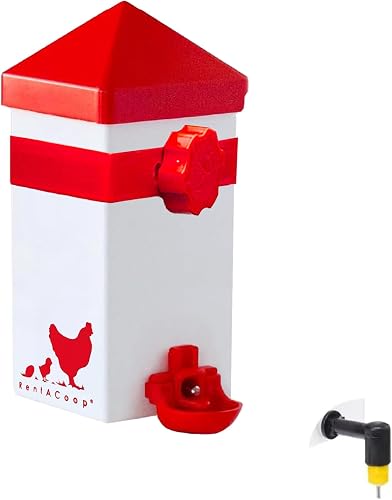
Best for One Small Cage
RentACoop 32oz Chicken Drinker with 2 Versatile Nipples
$$
Check Price on AmazonThere is no universal safe number of water nipples per quail. A kit’s outlet count only tells you what is in the box. Give every bird a reachable, working outlet, watch the flock while it learns a new system, and keep a known-working cup or bowl in place until you see normal drinking.
The number printed on a kit tells you how many parts it contains. It does not guarantee flock capacity. This guide shows how to choose an outlet layout, reservoir, fittings, and checks without turning a component count into made-up husbandry math.
There is no universal ratio backed by Quail Corner’s facts sheet. A 15-nipple kit or a two-nipple bottle describes the supplied components, not the safe number of birds. Competition, blocked outlets, cage geometry, outlet height, and bird familiarity can all change what works in your setup.
Start with the actual cage sections. Make sure birds can reach working water, inspect the least convenient corner, and watch visits after installation. Keep the old cup or bowl available during a changeover, then remove it after normal drinking is clear.
This compact choice suits one small cage or a transition. The verified RentACoop 32oz Chicken Drinker with 2 Versatile Nipples has a 1-liter gravity body, one vertical nipple, one horizontal nipple with a dribble dish, and a Coop Clip. It is a small drinker, not a multi-cage reservoir.
The interchangeable outlets let you see which style the birds understand. The small body also makes daily checks simple, though a larger flock can empty it sooner. For more single-drinker options, compare bottle and cup designs before planning a full line.
$$
Check Price on AmazonSee the RentACoop 32oz Drinker
A nipple line keeps the drinking point less exposed to bedding. It suits a rack or a cage where protected tubing can run along the front, provided the reservoir, seals, and every outlet can be checked. A clean-looking line still fails if a branch blocks or the birds never learn it.
A cup gives a visible water surface, which can make a changeover easier for birds already using open water. The trade-off is daily inspection for litter, feed, and other debris. Choose this architecture when you can see and clean each cup without dismantling the cage.
Mixed outlets help during a change from a familiar drinker. Leave the known outlet in place while birds learn the nipples, then keep the arrangement that gives dependable access with the least cleaning work. When you are ready to compare complete layouts, start with our quail watering system picks, the Best Quail Watering System (2026): 7 Clean-Water Setups roundup.
Coverage means every bird can reach water, every outlet delivers water, and one blockage does not remove the only drinking route. Use the manufacturer’s installation guidance as a starting point, then inspect the actual cage and observe the flock after fitting the system.
Trace the path from reservoir to float valve if present, shut-off, tubing or PVC, tees, mounts, and outlets. Look at the farthest cage section first. A line can have plenty of outlets on paper while a hidden branch stays dry.
Keep the familiar cup or bowl available while birds investigate nipples. Check that each nipple releases water and watch normal visits before relying on it. This overlap protects the flock from a new outlet that looks installed yet delivers nothing.
Gravity-fed reservoirs with float valves are different from direct higher-pressure connections. Follow the listing, use the fittings it names, inspect seals, and never assume a cup or nipple can connect to a pressurized tap. Product-specific instructions matter more than a copied pipe formula.
A kit may specify 1/2-inch Schedule 40 PVC compatibility, while another component may use 3/8-inch tubing. Treat those as product details. If you are routing a DIY line, DIY quail waterer builds can help you think through the bucket, branches, mounts, and seals before buying parts.
Keep outlets reachable and tubing protected from pecking or snagging. Leave room for refilling, doors, egg collection, and waste trays. Stacked cages need a route that does not hide a lower branch or let a loose tube drain into the cage.
A shut-off valve or removable branch lets you isolate one leak without emptying the full reservoir. Route the line where you can see it. Convenience disappears quickly when a hidden leak soaks bedding or drains the tank.
An adult Coturnix typically uses about 1–1.5 fl oz (30–45 ml) per day, with more in heat. That figure helps you think about refill effort and backup time. It does not create a safe nipple count or flow-rate formula.
A large reservoir reduces refill work, yet it does not remove the daily check. Confirm water is available, look for leaks, test outlets, and inspect cups. Mississippi State Extension’s guidance on poultry water line sanitation and water quality supports routine line hygiene. Penn State Extension also discusses monitoring and facility hygiene in Poultry Facilities and Technology. These are general poultry references, not a quail outlet-count formula.
Budget by system architecture rather than by bird count. A simple bottle costs less to install and inspect, while a component line shifts the work to fittings, routing, sealing, and testing. Complete packages supply more of the plan, though they still need layout work.
A gravity bottle with interchangeable outlets is the simplest fit for one cage or a transition. The verified RentACoop bottle has a 1-liter body and two outlet styles. Its small reservoir keeps the purchase compact, yet it means frequent checks as the flock grows.
This tier makes sense when you already have a bucket and a route for tubing or PVC. The lower entry cost comes with responsibility for fittings, seals, mounts, outlet checks, and leak testing. The number of cups or nipples in the packet is a parts count, not a capacity promise.
A package can save sourcing time by combining a reservoir, valve, line parts, and outlets. You still need to plan cage access, inspect every branch, and confirm what installation materials the listing includes. Depending on the kit, a bucket, pipe, adhesive, sealant, or extra fitting may remain part of the job.
Most failures come from trusting the kit’s parts count or reservoir more than the cage in front of you. Use this short check before leaving birds on a new line.
For a full comparison of reservoir, cup, nipple, and complete line options, read Best Quail Watering System (2026): 7 Clean-Water Setups. The 32oz RentACoop drinker linked above is the one contextual recommendation here, suited to one small cage or a transition.
That listing specifies a 1-liter gravity waterer, one vertical nipple, one horizontal nipple with a dribble dish, and a Coop Clip. Use the product instructions, check both outlets, and keep expectations in line with its small-bottle design. It is not a complete rack system.
Browse more Feed & Water guides in the category hub.
Quail Corner’s facts sheet has no universal validated ratio. Size the system so every bird can reach a working outlet, watch drinking during the changeover, and keep a known-working backup until the new line is proven in that cage.
A cup count is not a universal birds-per-cup rule. Choose cups around cage access, exposed-water cleaning, outlet reliability, and the manufacturer’s setup guidance, then inspect every cup instead of assuming all supplied cups are in use.
PVC or tubing size is listing-specific. One compatible kit may specify 1/2-inch Schedule 40 PVC, while another component uses 3/8-inch tubing. Match the listed fittings and never generalize one kit’s connection size to every system.
A product’s nipple count does not establish safe flock capacity. Reach, flow, blockage, cage layout, and whether the birds learned the outlet all matter. Observe the flock and maintain a backup rather than copying an online ratio.
Horizontal nipples can reduce exposed drinking water and fit cage lines, though birds need time to learn them and each outlet needs checking. Cups can be easier for some birds to understand, while litter and debris reach their open water more easily.
Watch for normal visits to the outlet and check that each nipple releases water. Confirm the reservoir remains supplied and check the cage for unexpected wetness. Keep the familiar drinker available during the transition, since an unverified line cannot carry the flock alone.