 Quail Corner
How to Transport Quail Safely: 7 Steps for a Calm Car Move
Transport quail safely by controlling the whole setup: use a low solid-floor crate, load quietly, keep it level and ventilated in the car, and unload inside a closed area. That prevents the common problems, including escapes, foot entrapment, overheating, and frantic handling.
How to Transport Quail Safely
A seven-step process for a calm car move
Step 1 Prepare the destination
- Close the arrival area
- Set up permanent housing
Step 2 Choose and check the crate
- Use a low solid floor
- Test every latch and opening
Step 3 Load without chasing
- Dim the area
- Guide birds through one opening
Step 4 Secure the car move
- Keep the carrier upright
- Protect airflow from sun and blockage
Result
Birds arrive contained, shaded, ventilated, and ready for a quiet transfer.
Quick answer
Prepare the destination before you touch the birds. Then inspect the crate, load in a dim space without chasing, latch every opening, and secure the carrier level in a shaded part of the car. Keep airflow clear and check the birds while parked safely. Open the crate only after you reach a closed arrival area.
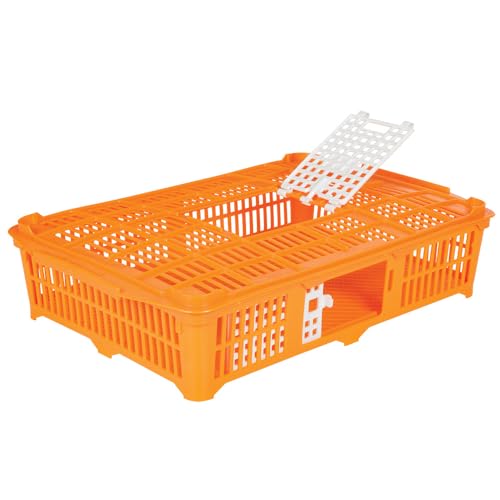
The best quail transport crate (2026): 7 picks for safe moves compares low-profile, stackable, solid-floor, and general-purpose transport options. For most short moves, the quail-specific Premier 1 QuailCrate is the clearest fit. Its 26 x 16 x 5 inch shape, solid floor, and top and side doors make loading easier. Premier 1 QuailCrate 26in is the sensible choice when those features suit your flock.
What you'll need
- A suitable carrier: A low, solid-floor crate with working latches and openings that cannot catch toes or heads.
- A clean pad: Use an absorbent, non-slipping liner that lies flat. Avoid loose loops, strings, and anything birds can pull apart.
- A stable car position: Clear a level spot, plus straps or wedges if the crate can slide or tip.
- A prepared destination: Close doors and gates before loading. Have feed, water, and permanent housing ready for the transfer.
- A helper when possible: One person can handle the crate while another controls doors and watches the route.
If you need more height or a general poultry carrier, the Premier 1 GameCrate 24in has a 24 x 16 x 9 inch solid-floor box and two spring doors. It is a roomier alternative, though a taller carrier gives a startled bird more room to jump.
Check the current crate detailsOur Top Picks

Step-by-step
Step 1: Prepare the destination first
Close the room, shed, coop, or run where the birds will arrive. Remove escape routes and set up their permanent cage before you load the carrier. Travel gear is temporary. The Best Quail Cage (2026): 6 Verified Picks for Every Flock compares permanent housing, so use it for the destination rather than the travel box.
Step 2: Choose a low crate and inspect it
Pick a crate that keeps birds low and supported. Check the solid floor for cracks, make sure the liner cannot bunch up, and run a finger around openings for sharp edges or gaps. Test top, side, and spring doors before a bird is inside. The listing for the Premier 1 QuailCrate says it holds up to 30 quail, but that figure changes with bird size and conditions. Treat it as a listing maximum, never as an automatic load.
Step 3: Load calmly
Load in a quiet, dim area with the crate on the floor. Guide birds toward one opening with your hands or a broad piece of cardboard. Do not grab at a fleeing bird or carry an open crate outside. A short box and a controlled path reduce jumping and give you a chance to close the door before moving anything.
Step 4: Check every latch and escape point
Close each door, press on it, and look around the full rim. Check corners, ventilation holes, handles, and any place two panels meet. Keep fingers and loose fabric clear of the door. If a bird is pressing hard against another, stop and reassess the load instead of forcing the latch.
Step 5: Place the carrier level in the car
Set the crate flat on a level surface so the solid floor supports the birds. Wedge or strap it so braking and turning cannot slide it. Keep it away from footwells, loose luggage, and airbags. Never balance it on a seat where it can tip. Birds settle better when the base stays level and the carrier cannot shift.
Step 6: Protect airflow and monitor the journey
Keep ventilation openings clear of blankets, bags, and the car door. Shade the carrier from direct sun while preserving airflow, and avoid leaving birds in a parked car. Check the crate when safely parked. Look for settled birds, clear breathing, and birds that can stand without piling up. If a bird shows persistent distress, contact a veterinarian or extension office. Do not open the crate outdoors.
Step 7: Unload inside a closed area
Carry the closed crate into the prepared room before opening it. Set it on the floor, close the room behind you, and open the door slowly. Let the birds leave in their own time rather than tipping or shaking the carrier. If the new cage still needs work, use the How to Set Up a Quail Cage: Step-by-Step (2026) guide before the trip.
Common mistakes
- Using a tall or wire-bottom box: A startled quail can jump into a tall carrier, while feet can catch in unsuitable floor openings. Choose a low solid floor instead.
- Opening the carrier at a stop: An escaped quail is hard to catch safely. Inspect through the sides and wait for a closed area.
- Blocking ventilation with a cover: A cover can provide shade, yet a fully wrapped crate traps heat and stale air. Cover only what you need while leaving openings clear.
- Confusing listing capacity with a safe load: Bird size, weather, and crate layout change the decision. Never fill a box simply because its label gives a maximum.
Troubleshooting
The birds pile into one corner
Pull over safely and check that the carrier is level and cannot slide. Reduce glare and noise, clear blocked ventilation, and make sure the floor pad is flat. Do not open the crate beside the road. If birds remain distressed, ask a veterinarian or extension office for guidance.
The crate gets warm in the car
Move the carrier out of direct sun and clear every air opening. Keep the car ventilated and never leave the birds unattended in a parked vehicle. If signs of heat stress persist after you improve shade and airflow, contact a veterinarian promptly.
A bird will not leave at arrival
Keep the room closed, place the crate level, and open the door wide enough for an easy exit. Give the bird quiet time. Avoid reaching in from above, which can trigger a jump, and check that the permanent cage is ready before trying again.
Frequently asked questions
What kind of crate is safest for quail in a car?
Choose a low, solid-floor crate with secure latches, useful access doors, and open sides for airflow. The Premier 1 QuailCrate is 26 x 16 x 5 inches with top and side doors. Its listing says up to 30 quail, though that is a product maximum, not a humane loading instruction.
Should I open the crate during the journey?
Keep the crate closed during the journey, especially outdoors or at a roadside stop. Opening it creates an escape chance. Instead, check through the ventilation openings when parked safely, and watch for crowding, overheating, or a bird that cannot settle.
Can I use a permanent cage as a transport carrier?
A permanent cage is poor travel equipment if it has a tall profile, loose panels, or a wire floor that catches feet. Use a purpose-built carrier, then transfer the birds into their prepared home setup on arrival. Compare permanent options in the Best Quail Cage guide.