 Quail Corner
What Size Killing Cone for Quail? (2026)
For most Coturnix keepers, start with an extra-small cone that specifically names quail, dove, or pigeon. The best fit restrains the bird without excessive compression. The listing should also tell you how it mounts or what support it includes.
Standard Coturnix are generally processed at 6–8 weeks and about 5–6 ounces dressed. Jumbo lines are generally 8–10 weeks and about 8–10 ounces dressed. Those are bird facts, not cone-capacity ratings. For product-specific options, see our quail killing cone picks, then use the checks below before ordering.
Which type of quail killing cone fits your workflow?
A single cone suits the simplest setup, a multi-pack gives you matching positions, a rotary station belongs in a dedicated work area, and a kit adds tools. The fit still comes first. Any cone-only purchase needs secure support and a collection plan.
| Type | Best use | Main check |
|---|---|---|
| Single cone | One position and a simple starting point | Secure support and collection plan |
| Multi-pack | Several matching positions | Unit count and support, which may be separate |
| Rotary station | A dedicated work area | Included stand, pan, footprint, and warranty |
| Kit | A cone plus tools | Whether you need every included extra |
Single cone
A single cone is the sensible first buy for many backyard keepers. It takes less storage space and lets you build the support around your own work area. The trade-off is clear: one listed cone does not prove that a bracket, stand, pan, or other workstation parts are included.
Multi-pack
A multi-pack suits a keeper who wants several matching positions or a group sharing equipment. It can simplify buying identical cones. A pack count does not mean a complete stand is included. Verify the hardware and the support plan separately.
Rotary station
A rotary station is a larger dedicated setup. Buy one only when the listing clearly names the support components that come with it, such as a stand or pan. Check the footprint and warranty too. A station can organize a work area, though the listing should not be treated as a promise of a particular throughput.
Kit
A kit makes sense when you need a cone and tools at the same time. It is poor value for a keeper who already owns those tools. Treat the included contents as a checklist, not a promise that the package solves every part of your workflow.
What should you check before buying a quail cone?
Start with bird language, then check fit, material, support, cleaning, and evidence. This order keeps a polished listing from distracting you from the basic question: does the seller actually describe a small-bird cone that suits your quail?
Does the listing name the right birds?
Prefer a listing that specifically names quail, dove, pigeon, or similarly sized small birds. Coturnix are smaller than the poultry many general cone listings target, so a chicken cone should never be treated as a universal fit. Keepers of button quail need an even more careful bird-specific check because button quail are tiny.
How should the opening and edges look?
Look for a stable shape, smooth edges, and clear fit information. The cone should restrain the bird without excessive compression. Sellers do not use one universal opening or lower-neck measurement across every design, so avoid choosing from a single dimension copied between listings.
Is alloy steel or poly better?
Alloy steel can suit a keeper who wants a firm piece and has a dry storage spot. Check for rust exposure, smooth edges, and how you will dry it after washing. Poly can be lighter and easy to wash, yet impact, edge finish, and storage still matter. Neither material guarantees humane performance.
Backyard Chicken Coach provides useful general chicken-focused context on material and mounting. Hatching Time's vendor article also compares plastic and metal, but vendor material is context rather than independent proof. Apply either source carefully because a chicken discussion does not establish Coturnix fit.
What support and collection parts are included?
A cone is not automatically a workstation. Confirm whether the listing includes a bracket, screw, stand, pan, or other support. A cone-only purchase needs a secure support plan and a collection plan. After restraint, your broader workflow may call for other equipment, including our quail plucker picks.
Can you wash and store it properly?
Prefer a surface you can wash and fully dry, then store where it will not collect dust or stay damp. “Washable” is a practical listing claim, not a guarantee of hygiene. Look at seams, corners, hardware, and the space around the mounting point before you buy.
How much evidence does the listing have?
Separate verified listing facts from seller marketing. A spec list that states material, piece count, weight, and included hardware gives you more to work with than a polished photo, though it still cannot prove fit or humane performance. With a generic poly listing, check those details line by line and treat the low entry price as a trade-off rather than proof that it matches a better-documented option.
What should you get at each budget tier?
The right tier depends on how much of the setup you already own. A single lightweight cone gives you a clear starting point for checking fit. Pay more for matching positions or a station only when the included support and workflow solve a real problem.
| Tier | What you are choosing | What to verify |
|---|---|---|
| Budget | A single lightweight poly cone | Mounting hardware, fit language, edge finish, washability |
| Mid-range | A steel single or matching multi-pack | Unit count, material, support plan, storage and drying |
| Higher-cost setup | A station or kit | Contents, footprint, tools, warranty, and need |
What mistakes should you avoid?
Most buying mistakes happen before the cone reaches your shed. Use the listing as an equipment checklist, then match it to your birds and your actual workspace.
- Buying by the word “poultry.” A broad poultry label does not confirm Coturnix fit. Choose a listing that names small birds.
- Assuming the cone is the workstation. Confirm the stand, bracket, screw, pan, and collection plan instead of guessing from a product photo.
- Taking seller claims as proof. A confident product title is still marketing. Read for fit, edges, hardware, and cleaning details.
- Paying for extras you already own. A kit can be useful, while its value drops if the added tools will sit in a drawer.
Which quail cone is the best starting pick?
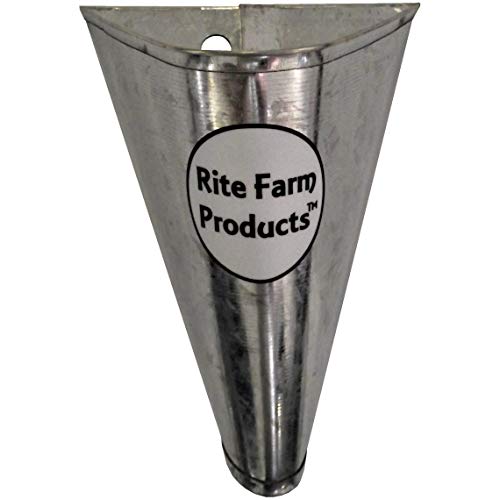
The Rite Farm Products extra-small single is the pick I would make for most backyard keepers buying one quail-scale cone. The catalog lists alloy steel, one piece, an 8-ounce item weight, and a classic style. The title names quail-sized birds too. It is still a single cone, so confirm the current listing's support details.
Pros
- ✓ Quail-scale wording in the listing
- ✓ Firm alloy-steel construction
- ✓ Simple single-cone starting point
Cons
- ✗ Support plan remains your responsibility
- ✗ A cone alone is not a complete station
Check the current Rite Farm listing
Choose a multi-pack when matching positions matter. Consider a station only after checking its included support, footprint, warranty, and the space you have for it. A kit suits a buyer who needs tools too. For the broader workflow, read our hand-plucking guide.
For a wider product-by-product look, read our quail killing cone picks. Generic poly listings can lower the entry cost, though their fit language and hardware claims still need checking.
Frequently asked questions
What is the best extra small killing cone for quail?
The Rite Farm Products extra-small alloy-steel cone is the clearest starting point for most backyard keepers buying one cone. Its listing shows one piece, an 8-ounce item weight, and a classic cone style in firm alloy steel. Plan your own support because a cone alone is not a workstation.
What is a quail processing cone?
A quail processing cone is a small-bird restraint that forms one part of a processing setup. It holds the bird in a controlled position while you work, while the support and collection arrangements are separate decisions. The cone should suit the bird and avoid excessive compression.
Can a poultry restraining cone hold quail?
Only if the current listing specifically describes quail, dove, pigeon, or a similar small bird. A larger poultry cone should not be assumed to fit Coturnix. Check the seller wording, opening information if supplied, edge finish, and your mounting plan before purchase.
What is the best small bird killing cone?
For a single quail-scale position, the Rite Farm extra-small steel cone is the strongest catalog-supported choice here. It names quail-sized birds in its title and gives you a firm alloy-steel piece. A listing is still not proof of humane performance, so check the fit yourself.
Is one cone enough for a backyard quail processing setup?
One cone can be enough for a small keeper who wants one position and already has a secure support and collection plan. You may prefer a multi-pack or station when your workflow needs several matching positions. A cone does not automatically include the rest of the setup.
Do quail killing cones include a mounting bracket?
Some do and some do not. A bracket, screw, stand, or pan must appear in the current listing before you count it as included. The Rite Farm steel single is listed as one cone, so plan support separately and check local requirements before purchase.