 Quail Corner
How to Cull Coturnix Quail: Humane Steps
This guide covers how to cull Coturnix quail with a calm keeper workflow: preparation, method choice, gentle restraint, and the transition into processing. It keeps the discussion respectful and non-graphic, with room for you to follow the method you have learned from a qualified source.
How to Cull Coturnix Quail
A calm, repeatable keeper workflow
Step 1 Prepare the station
- Set out the selected tool
- Plan collection and processing
Step 2 Secure the setup
- Stabilize the surface or cone
- Keep the area quiet
Step 3 Restrain calmly
- Move one bird at a time
- Keep control of the bird and tool
Step 4 Use the chosen method
- Follow qualified instruction
- Do not improvise
Step 5 Check and process
- Confirm the situation
- Move into your planned workflow
Result
A prepared station, a controlled workflow, and a clear handoff into processing.
What is the quick answer?
A humane cull requires a prepared station, a method the keeper is trained to use, decisive handling, and a plan for the next processing step. Set up everything first, move one bird calmly, keep the tool and restraint under control, and stop if the setup becomes unsafe.
The Humane Slaughter Association explains welfare considerations around poultry stunning and killing methods. Virginia Tech also treats backyard slaughter method choice and welfare as serious planning decisions. Use those sources for context, then seek instruction that fits your exact setup.
What does “cull” mean in this Coturnix quail guide?
Here, cull means planned keeper-side meat processing of Coturnix quail. Standard birds are typically butchered at 6–8 weeks and about 5–6 ounces dressed, while jumbo lines are typically 8–10 weeks and about 8–10 ounces dressed. Those are typical keeper reference points for planning a meat batch, not a command or a guarantee of size.
That is separate from an end-of-life welfare decision for an ill or injured bird. In that situation, contact a veterinarian or extension office. This guide does not diagnose illness or recommend treatment.
What should you prepare before culling Coturnix quail?
Prepare the whole station before catching a bird. You need a calm holding area, a selected tool, gloves, a stable washable surface, collection supplies, and a clear plan for what happens next. That keeps the bird moving into a ready station instead of leaving you to search for supplies while holding it.
- Holding area: Keep the remaining birds separate from the work area and reduce noise.
- Selected tool: Use a method you have learned and can control. Do not improvise with an unfamiliar tool.
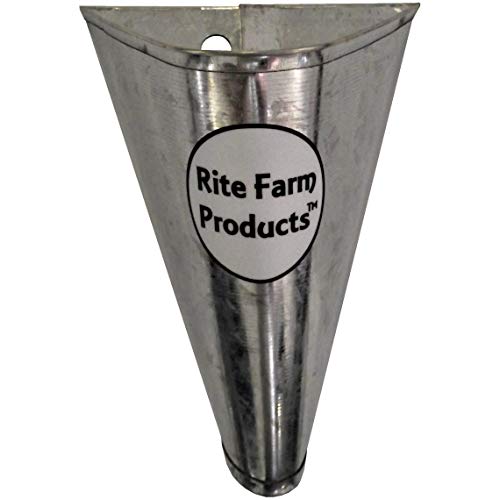
- Restraint: A single cone can organize one bird at a time, provided it has secure support and a collection plan. The Rite Farm Products Rite Farm Products Quail Kill Cone is a one-count alloy-steel cone listed at 8 ounces in a classic style.
- Clean station: Use a stable, washable surface and gloves suited to the work.
- Next step: Decide where the bird goes immediately afterward. our quail cone picks compare cone-only, multi-cone, station, and kit formats for different workflows.
If a single cone fits your routine, check the current listing and included hardware before buying.
Check the current cone listingOur Top Picks
How do you choose a humane dispatch method?
Choose the method you have been trained to use, can perform decisively, and can keep under control from restraint through confirmation. Do not pick a technique from a short video and improvise on a live bird.
The Humane Slaughter Association discusses manual and mechanical methods, while Virginia Tech covers welfare planning for on-farm or backyard poultry slaughter. Read their guidance, check your local requirements, and seek in-person instruction where possible.
How do you cull a Coturnix quail step by step?
Follow the same order every time: prepare, move one bird, restrain it safely, perform the chosen method according to qualified instruction, confirm the situation using authoritative guidance, and move into processing. A repeatable order helps you notice problems before a bird is in your hands.
1. Prepare the station
Put the tool, gloves, collection supplies, and next-step equipment within reach. Check that the surface does not rock and that a cone or other restraint is firmly supported. Keep the holding area quiet and separate from the work surface.
2. Move one bird calmly
Move one Coturnix from the holding area without chasing the whole covey. Slow movements reduce confusion and keep your attention on the bird you are handling. If the bird becomes difficult to control, return to the safety plan instead of rushing.
3. Restrain safely
Use the restraint setup as intended and keep your hands, bird, and tool in controlled positions. A cone organizes restraint; it does not replace stable support or a collection plan. Check fit before proceeding and stop if the bird can slip free.
4. Perform the chosen method
Use the method you selected and learned from qualified guidance. Keep the action decisive and focused. This page does not replace instruction for a specific technique, and no single method fits every keeper, bird, or setup.
5. Confirm the situation
Follow authoritative welfare guidance to confirm that the situation is complete before moving on. If you are unsure, stop and seek qualified help. Do not continue with processing while you are uncertain about safety or control.
6. Move to the planned processing stage
Once the situation is confirmed, move the bird into the workflow you prepared. That might mean plucking, skinning, or another processing choice. Our quail plucker picks cover tabletop equipment, and our hand-plucking guide explains that separate workflow without changing the focus of this page.
What should you do immediately after dispatch?
Move into the processing workflow you prepared before starting. Keep the handoff orderly, with the next tool or surface ready for plucking, skinning, or your chosen method. Your next step should be decided before you begin, so the bird does not sit while you rearrange the station.
For equipment decisions, our quail plucker picks cover tabletop formats. For a manual workflow, use our hand-plucking guide. Follow the instructions for your chosen process and check local requirements for handling and processing.
What common mistakes should you avoid when culling quail?
Most avoidable problems start before the chosen method. Fix the station first, then handle one bird at a time. If a problem appears, stop and fix the setup before bringing another bird forward. This keeps a small mistake from turning into a rushed one.
- Chasing birds: If the covey scatters, pause and reset the holding area. Catching in a rush makes restraint harder.
- A dull or unfamiliar tool: If the tool does not work as expected, stop. Replace it or seek qualified help rather than forcing the process.
- An unstable cone mount: If the cone shifts, remove the bird and secure the support before continuing. A cone needs firm support.
- A crowded station: If supplies are underfoot or the next tool is out of reach, clear the surface before starting.
- No collection plan: If you have nowhere ready for the next stage, pause and set that up first.
What should you do if the process is not going as planned?
Stop whenever restraint or tool control becomes unsafe. Secure the bird and the work area as calmly as you can, then seek qualified help rather than pushing through an uncertain situation. Your safety comes before finishing a batch. A pause is part of a good workflow.
The bird will not stay safely restrained
Remove the bird from the setup and check the fit, support, and your handling position. Reset the station before trying again. If you cannot keep control, ask an experienced keeper, veterinarian, or extension office for appropriate help.
You are unsure the method was completed
Stop processing and follow authoritative welfare guidance for confirmation. If you remain unsure, contact a qualified person for immediate help. For an ill or injured bird, contact a veterinarian or extension office instead of treating this guide as medical or end-of-life advice.
Frequently asked questions
How do I humanely cull quail?
Prepare the station, learn a suitable method from a qualified source, and handle one bird decisively and calmly. There is no universal method for every keeper or situation. The Humane Slaughter Association and Virginia Tech provide welfare context, while local requirements still apply.
How do I dispatch Coturnix quail?
Choose a method you understand and can control before you bring a bird to the station. Follow qualified instruction, avoid improvising, and check local requirements. If the bird is ill or injured and this is an end-of-life decision, contact a veterinarian or extension office.
What is a quail processing cone?
A processing cone is restraint equipment that helps organize one bird at a time during a planned workflow. It still needs secure support, a suitable fit, and a collection plan. A cone alone is not automatically a complete processing workstation.
Is one cone enough for a backyard setup?
One cone can suit a simple, one-at-a-time workflow if you have stable support and a collection plan. Multi-cone stations suit a dedicated broader setup. Choose around your space and routine rather than assuming more cones make the method humane.
Can a poultry restraining cone hold quail?
It can be suitable only when the listing identifies an appropriate bird scale and the fit is secure. Do not assume a chicken cone suits Coturnix. Check the product details, mounting hardware, and the way you will support the cone before purchase.
When are Coturnix ready for processing?
Typical standard Coturnix are butchered at 6–8 weeks and about 5–6 ounces dressed. Jumbo lines are typically 8–10 weeks and about 8–10 ounces dressed. Those figures describe common keeper context, not a command or a guarantee. Check the current listing, included hardware, local requirements, and qualified welfare guidance before starting.