 Quail Corner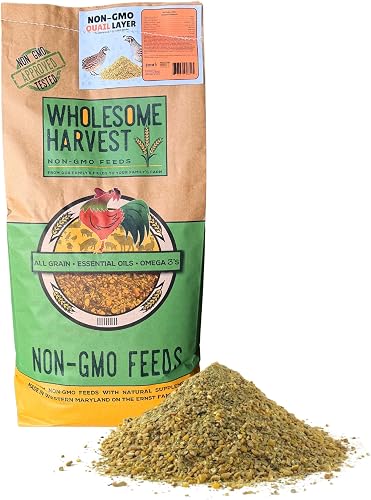
Best Overall
Wholesome Harvest Non-GMO Quail Layer Feed 26% - Premium 40 lb Food for Laying Birds, Button Food
$$
Check Price on AmazonWhen quail refuse a new organic feed, check the change itself, freshness, texture, access, and life-stage fit. A new claim on the bag does not guarantee that birds will recognize the feed or that it suits their age.
A six-check process for a safe feed change
A clear choice between a feed-switch review and professional help
Start with four things: what changed, whether the feed is dry and reachable, whether the particles are easy to handle, and whether the formula fits the birds. A refusal does not prove the feed is bad. Acceptance does not prove it is nutritionally right.
If you are comparing certified organic and non-GMO options, see our organic quail feed picks for the label distinctions and product context. “Organic,” “USDA certified organic,” “organic ingredients,” and “non-GMO” are separate claims.
Set out the old and new labels, a clean dry feeder, some familiar complete feed, and a way to inspect the feed closely. An observation log helps you record what the flock eats, spills, sorts, or ignores.
$$
Check Price on AmazonCheck that every bird can reach the feeder and that the feed is not caked, damp, or contaminated. Look around the feeder for spilled feed and sorting. A flock that bills feed onto the floor can look as if it has stopped eating.
Watch the group, then watch any individual bird separately. Write down what you see and leave the diagnosis to a professional.
For Coturnix, compare 28–30% game-bird starter for weeks 0–6 with 20–24% layer feed for adults. Chicken layer feed at 16% is too low for quail. The bag's organic claim tells you about sourcing; the life-stage line tells you which birds the feed is for.
Mississippi State University Extension separates quail feeding programs by the birds' use and age. Use our broader quail feed guide when the two bags use different terms, then compare the intended birds and guaranteed analysis.
Keep a suitable complete ration available while you work out the problem. If the new bag is being refused, reintroduce the familiar feed instead of leaving the birds without an appropriate option.
Mix in the new feed a little at a time and watch acceptance, waste, and the birds. Keep the old and new labels beside each other. A homemade substitute is not a safe shortcut for a complete ration.
Put the feeds side by side and look at their form: crumble, granule, mash, or pellet. Check particle size, dust, dampness, and how much ends up on the floor. A form that works in one setup can create waste in another, and a poultry or game-bird listing is not automatically quail-specific.
Adult Coturnix use about 1 oz (25–30 g) per bird per day. A large bag can suit a larger flock and sit too long in a small setup, especially when delivery cost, storage, pests, and freshness are concerns.
For an adult-layer keeper who wants to retry a quail-labeled option, the listing for Wholesome Harvest Non-GMO Quail Layer Feed 26% - Premium 40 lb Food for Laying Birds, Button Food claims a non-GMO quail-layer feed. Its title shows 26% protein, which is above the 20–24% layer range used here. That number alone does not make it a better layer feed, so compare the claim, form, guaranteed analysis, intended use, and freshness with the refused feed. The catalog does not identify it as USDA certified organic, and it is not a choice for chicks.
Compare the quail-layer listingIf one bird or several birds are not eating and also look weak, injured, dehydrated, or otherwise unwell, stop treating this as a simple preference problem. Contact a qualified avian or poultry veterinarian or an extension office rather than trying more feed experiments.
Label confusion can send you toward a feed that sounds right while missing the birds' stage or feeding needs. Keep these errors off your checklist:
Professional help is the right next step when reduced eating comes with a concerning change in the bird. Marked weakness, injury, dehydration, or another sign of poor condition means you should contact an avian or poultry veterinarian or an extension office.
A flock-wide preference issue can start with access, freshness, form, and label checks. Treat it as a feed review only, and leave diagnosis and treatment to a qualified professional.
A sudden change, unfamiliar form, stale or damp feed, poor access, and a life-stage mismatch can all reduce interest. Check those points one at a time, keep a suitable complete feed available, and watch individual birds separately from the flock.
Keep a suitable complete feed available while introducing the new feed gradually. Compare the labels, then watch acceptance, waste, freshness, and the birds themselves. Avoid relying on a chicken-specific schedule for Coturnix without checking it first.
Prevent the birds from going without a suitable complete ration. Compare the old and new labels, reintroduce the familiar feed if needed, and make any change gradually while observing. Contact a professional if a bird also appears unwell.
Organic status does not make a chicken product automatically suitable for quail. Chicken layer feed at 16% is too low for quail, so compare the complete formula, life stage, and guaranteed analysis in our chicken-feed label guide.
Call a qualified avian or poultry veterinarian, or an extension office, when reduced eating comes with marked weakness, injury, dehydration, or another concerning change. Those signs need professional advice instead of more feed experiments.