 Quail Corner
Best Budget
Little Giant® Quail Waterer Base - 1 Quart Screw On Base with Narrow Channel - Designed for Quail and Baby Poultry Chicks - Made in USA (Red, Pack of 1)
$
Check Price on AmazonIf a button quail is drowning in a waterer, remove the bird and the unsafe water source first. Switch to shallow or narrow drinking access, use clean pebbles or marbles in an open dish, secure the setup, and watch every bird during the change.
Button quail are king quail, Synoicus chinensis, and adults weigh 1.5–2 oz. Their small size changes the waterer decision. For broader buying help, see our button quail waterer picks; this page handles the immediate access and drowning risk.
A safety-first check for chicks, juveniles, and adults
A stable, visible drinking point with no deep open access and a monitored transition plan.
Remove the waterer and move the bird to a dry temporary area while you inspect the setup. Provide a visible shallow or narrow drinking point, keep a backup source during any transition, and contact an avian vet or extension office if the bird remains unresponsive or repeatedly has trouble.
Safer access lowers risk. It cannot guarantee that a bird will never fall or get wet. The Happy Chicken Coop warns that tiny quail chicks can drown quickly in open water, while forum reports from BackYard Chickens describe weighted cups, small bottles, and lids as keeper solutions rather than universal rules.
Gather a shallow or narrow-channel waterer, clean marbles or pebbles, fresh water, a stable base or cage clip, and a dry temporary holding area. Button chicks need ¼ in floor wire or solid flooring, and clean marbles or pebbles can help keep them out of open water.
For a brooder or small flock, the TGEYD Chick Feeder and Waterer Set (1L each) is a contextual option. Its listing identifies an anti-drown dish set, shallow water base, and snap-apart bases. That listing does not prove long-term durability or remove the need to watch the birds.
See the TGEYD setFor more chick-focused options, use our quail chick waterer guide. It covers a broader chick-waterer decision, while this guide stays focused on button-quail access.
$
Check Price on Amazon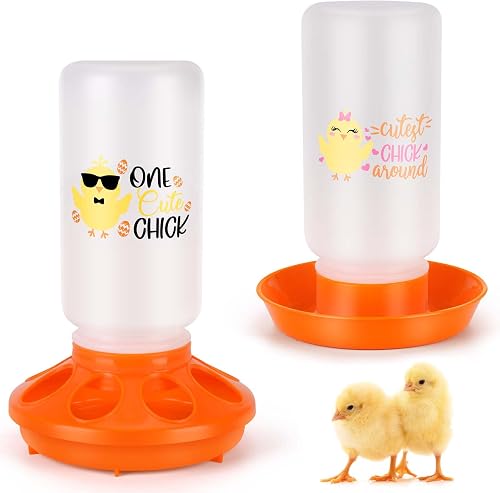
$$
Check Price on Amazon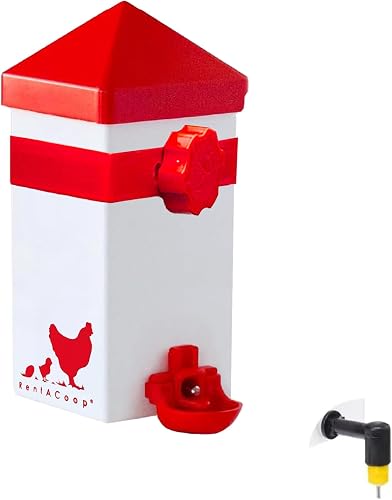
Take it out of service if a bird can climb, fall, or become trapped in deep open water. Move the affected quail to a dry temporary area, then give the flock a safe backup source rather than leaving them without water during the inspection.
Look for tipping, slick surfaces, fouled bedding, leaks, splashing, and an exposed tray or opening that is too large for the bird. A floor-first setup matters because button quail should reach water without climbing or wedging behind equipment.
Select a narrow-channel or shallow design. A larger reservoir does not solve a small bird's access problem. Murray McMurray Hatchery describes narrower quail-waterer channels as a way to scale access for smaller birds. The design reduces deep standing-water access, yet it is not fail-safe.
Use clean marbles or pebbles in an open dish while leaving clear paths to the water. Keep the pieces clean and stable, and recheck the dish after the first drinking attempts. Bare water in a brooder gives a tiny chick more room to fall and become wet.
View the setup from the bird's floor-level perspective. Observe each quail drink before you consider the change complete. The waterer should stay put, remain visible, and leave the route around it open.
Replace deep open access, unstable placement, and hidden corners before changing species-specific equipment. Keep the fix beside the symptom so you can correct the setup quickly.
Start with the visible symptom, remove the immediate hazard, and watch the bird use the replacement. Persistent concerning behavior belongs with an avian vet or extension office, rather than a diagnosis from the water setup.
Remove the wetting source and inspect for leaks, splashing, exposed openings, and damp bedding. Provide stable narrow or shallow access and a dry, draft-free temporary area while monitoring. If the bird remains unresponsive or behaves concerningly, contact an avian vet or extension office.
Keep a safe backup source in place, check reach and visibility, and watch each bird individually. Do not force a beak onto the nipple. The RentACoop 32oz Chicken Drinker with 2 Versatile Nipples offers a gravity bottle, vertical chick nipple, horizontal adult nipple, dribble dish, and Coop Clip, yet it still needs a monitored transition.
See this monitored-transition optionMove it to a stable floor position or use the correct clip or bracket. Check the bedding around the base and make sure the quail does not need to climb to drink. A free-standing base works when it cannot tip; a cage clip can stop birds from knocking a bottle over.
Move the waterer away from the dirtiest traffic point and keep the tray visible for inspection. Spot-clean the indoor enclosure daily, replace fouled water, and address the route that keeps bedding entering the tray.
Remove the current setup and return to the safest known drinking point. Reassess access, stability, and the enclosure layout. No commercial design eliminates every fall, wet feather, or accident.
Use a stable free-standing base, cage clip, or secure bracket while keeping the drinking point visible and reachable from the floor. The Little Giant Quail Waterer Base has a narrow channel and gravity-fed operation according to its catalog entry; the compatible jar is sold separately.
A jar base only works when the compatible jar and base fit securely. Place it where a bird cannot get trapped behind it, and keep the route open. See our button quail cage picks for floor-first placement, soft or low roofs, escape checks, and stable footprints.
See the Little Giant baseInstall the nipple at a reachable, visible position, demonstrate the drinking point without forcing a beak, and observe every bird. Keep the previous safe water source available until each quail is seen drinking from the new system. This matters most when the problem is a button quail not drinking water.
For a general purchase, start with the RentACoop 32oz Chicken Drinker with 2 Versatile Nipples from our button quail waterer picks. It offers two drinking options, a dribble dish, and a clip. During an active drowning problem, safe scale, visible water, stable placement, and monitored access matter more than reservoir size.
Prefer a verified shallow-base or narrow-channel option such as the TGEYD Chick Feeder and Waterer Set, while observing every chick. Button chicks are tiny, so use ¼ in floor wire or a solid floor, plus clean marbles or pebbles in an open water dish. The facts sheet gives no maximum tray depth.
They may use one if they can reach it and learn where the drinking point is. Demonstrate the system without forcing a beak, watch each quail drink, and keep a safe backup source until the transition is proven. A nipple system is not automatically safer for every button quail.
A compatible standard-mouth jar can pair with the Little Giant quail waterer base, though the jar is sold separately and the fit must be secure. Its narrow channel helps manage access, while you still need to inspect for tipping, fouling, wet bedding, and floor-level reach.
No. Choose an appropriately scaled, stable, visible, easy-to-clean drinking point instead of a large poultry reservoir. The facts sheet does not provide button-quail water-consumption math, so do not promise a specific number of days between refills or transfer Coturnix assumptions.
Inspect it whenever the tray is fouled or bedding is wet, and replace contaminated water promptly. Indoor button-quail housing needs daily spot-cleaning, according to the facts sheet. The enclosure and waterer condition determine when more cleaning is needed, so one universal interval would mislead.