 Quail Corner

Best Oyster Shell for Quail (2026): 8 Calcium Picks
The best oyster shell for quail is Small Pet Select Flaked Oyster Shell. Its listing claims uniform flakes, low dust, and pure shell with no filler, while the 5 lb bag is easy to store in a backyard setup.
This roundup separates shell from grit and from complete feed. If your base ration needs work first, start with Best quail feed (2026): 7 picks by life stage, then choose a calcium product that fits your laying birds and separate-dish routine.
Quick picks for quail calcium
Ranked by particle suitability, separate-dish practicality, flock fit, and packaging
Overall
The easiest flake to offer separately
- Uniformly sized flakes claimed
- Low-dust formula claimed
- Pure shell with no filler claimed
- Manageable 5 lb bag
Top Pick Small Pet Select Flaked Oyster Shell
$$
Best for most laying-quail keepers
Check Price on Amazon Budget
A straightforward small flock bag
- 5 lb package
- Natural oyster shell positioning
- Simple separate-dish setup
- Inspect flakes before serving
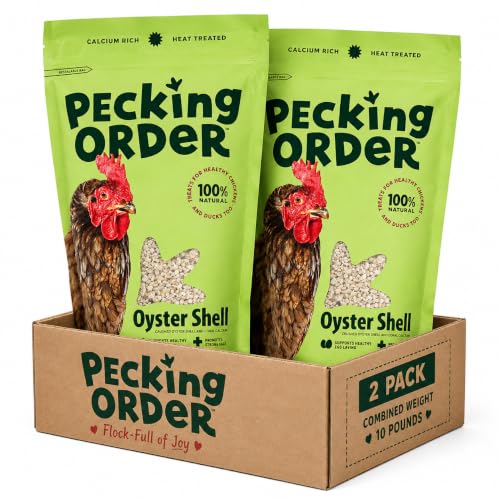
Top Pick Pecking Order Oyster Shell, Two 5 lb Bags
$
Best for cost-conscious keepers
Check Price on Amazon Quail-size alternative
Fine-ground calcium that names quail
- Fine-ground form
- Explicitly names quail
- 6 lb package
- Limestone rather than oyster shell
Top Pick Bearded Hen Small Bird Calcium
$$$
Best when fineness matters most
Check Price on AmazonQuick answer: Buy Small Pet Select Flaked Oyster Shell for the clearest all-around fit. Choose Pecking Order Oyster Shell, Two 5 lb Bags for a budget-minded purchase, or Bearded Hen Small Bird Calcium if you want a fine-ground limestone alternative that explicitly names quail.
Quick picks
Our Top Picks

Comparison table
| Product | Best for | Form and size | Package | Link |
|---|---|---|---|---|
| Small Pet Select Flaked Oyster Shell | Most laying-quail keepers who want a manageable, low-dust flake | fine flaked oyster shell | 5 pounds | Check price |
| Pecking Order Oyster Shell, Two 5 lb Bags | Established laying flocks with dry storage for 10 lb total | Crushed oyster shell and coral-calcium blend | 10 pounds total | Check price |
| Bearded Hen Small Bird Calcium | Keepers who prioritize a fine-ground calcium product explicitly naming quail | fine-ground calcium limestone | 6 pounds | Check price |
| RAINFLOW Crushed Oyster Shell 15 oz | Small flocks wanting a compact bag and an explicit quail mention | crushed oyster shell | 15 ounces | Check price |
| Scratch and Peck Oyster Shell 4 lb | Keepers who want a pure flaked-shell product with low additive emphasis | pure flaked oyster shell | 4 pounds | Check price |
| Mile Four Oyster Shell 4 lb | Established flocks wanting a medium-size bag and separate-dish guidance | crushed oyster shell listing | 4 pounds | Check price |
| Unearthed Premium Poultry Shell 10 lb | Keepers wanting a larger feed-grade bag with storage-focused packaging | finely crushed feed-grade granules | 10 pounds | Check price |
How we evaluate
Particle fit comes first. Quail are small, and a bag aimed at larger poultry can contain pieces that feel too coarse for a little beak. The Quail Coop makes the same practical point. Product listings do not give one shared quail particle-size standard, so look for relative fineness, inspect the shell when it arrives, and discard awkwardly large pieces rather than assuming a chicken label fits.
We also weigh dust, filler claims, package size, storage, and the ease of keeping shell dry in its own dish. These details help you shop; they do not promise a change in your birds. Shell is a supplemental calcium choice for laying birds. It should sit beside a complete ration, never replace it.
The age and feed in the pen matter too. Coturnix starter feed is 28–30% protein for weeks 0–6, and layer feed is 20–24%. Laying birds can have oyster shell free-choice. If birds receive anything besides crumble, they also need insoluble grit, which does a different job.
Individual product reviews
1) Small Pet Select Flaked Oyster Shell: Best Overall
This is the one to put in a separate dish for most laying Coturnix coveys. Uniform flakes make the bag easier to inspect, and the low-dust claim matters because a dusty calcium dish quickly becomes a wasted, clumped mess. The pure-shell claim also keeps the choice simple.
The 5 lb package suits a backyard keeper who wants enough on hand without committing to a large storage bag. Put a little in a sheltered dish and keep the rest sealed and dry. Skip it if you specifically need a fine powder, or if the flakes look too large for your birds after opening.
Pros
- ✓ Uniform flake claim is easy to check
- ✓ Low-dust claim suits a separate dish
- ✓ Manageable package for home flocks
Cons
- ✗ No numeric quail particle target is given
- ✗ A flake product still needs an arrival check
2) Pecking Order Oyster Shell, Two 5 lb Bags: Budget Pick
Pecking Order now links to two 5 lb bags, for 10 lb total. This is a crushed oyster-shell and coral-calcium blend, not the older single-bag offer. Choose it for an established laying flock with dry storage, and compare the total quantity before deciding whether it is good value.
Inspect the contents before serving. The listing does not give a quail-specific fineness claim, so this is where a keeper should be picky. If the pieces look too chunky, choose the overall pick or a finer product instead. Skip this bag if you want the product page to do the particle-size decision for you.
Pros
- ✓ Low price band
- ✓ Useful 5 lb package
- ✓ Straightforward natural-shell positioning
Cons
- ✗ No explicit quail-size claim
- ✗ Particle fit needs your inspection
3) Bearded Hen Small Bird Calcium: Quail-Size Alternative
Bearded Hen is the most direct small-bird alternative here. Its fine-ground calcium limestone listing names quail alongside other small birds, so it gives you a clearer fineness angle than a generic poultry bag. The 6 lb package is enough for a keeper who wants one dedicated calcium product for a longer stretch.
There is one large distinction: this is limestone, not oyster shell. Choose it when fine ground material and an explicit quail mention matter more than shell type. Skip it if your shopping list specifically says oyster shell, or if you prefer visible flakes that are easy to inspect in a dish.
Pros
- ✓ Fine-ground form
- ✓ Quail named on the listing
- ✓ Useful alternative to shell flakes
Cons
- ✗ Limestone rather than oyster shell
- ✗ Higher price band than the basic picks
4) RAINFLOW Crushed Oyster Shell 15 oz: Small Flock

The 15 oz bag is the reason to choose RAINFLOW. A small flock can try a compact package without storing a large sack for months, and the listing explicitly mentions laying hens, ducks, and quail. That quail mention makes it easier to shortlist than a generic landscape or garden shell product.
Crushed shell still needs a visual check. “Crushed” covers a range of piece sizes, and the listing does not provide a shared mesh target for quail. Choose this for a small test purchase or a spare setup. Skip it if you keep a large covey and want fewer package replacements.
Pros
- ✓ Compact package for a small flock
- ✓ Quail mentioned in the listing
- ✓ Low price band
Cons
- ✗ Crushed size is not numerically defined
- ✗ Small package creates more reordering
5) Scratch and Peck Oyster Shell 4 lb: Clean Flakes

Scratch and Peck is a good fit for keepers who care about a short ingredient story. The listing describes pure flaked oyster shell and claims no bleach, coral, or filler shells. That makes the contents easier to explain to a new keeper and easier to keep separate from grit.
The 4 lb pouch is a middle ground: more useful than a trial bag, less bulky than a bulk bundle. The trade-off is the same as with any flaked shell. Look at the actual pieces before filling the dish, and skip this one if you want fine-ground calcium or a product that explicitly names quail.
Pros
- ✓ Pure flaked-shell claim
- ✓ No bleach, coral, or filler shells claimed
- ✓ Convenient middle-size pouch
Cons
- ✗ No explicit quail label
- ✗ Flake size still needs a visual check
6) Mile Four Oyster Shell 4 lb: Flock Value

Mile Four earns a place for the keeper who wants a 4 lb bag and a separate-dish serving direction from the listing. That advice matches the practical setup: shell stays available in its own container, while complete feed remains the daily base ration.
The listing calls it crushed oyster shell and makes a USA-sourced claim, yet it does not promise a quail-specific particle size. Check for oversized chunks and keep the dish under cover. Skip this choice if you want low-dust wording, a fine-ground form, or a small package for a tiny pair.
Pros
- ✓ Medium bag for an established flock
- ✓ Separate free-choice dish guidance
- ✓ Simple shell-only shopping angle
Cons
- ✗ No quail-size claim
- ✗ Crushed form can vary in practice
7) Unearthed Premium Poultry Shell 10 lb: Premium Bag
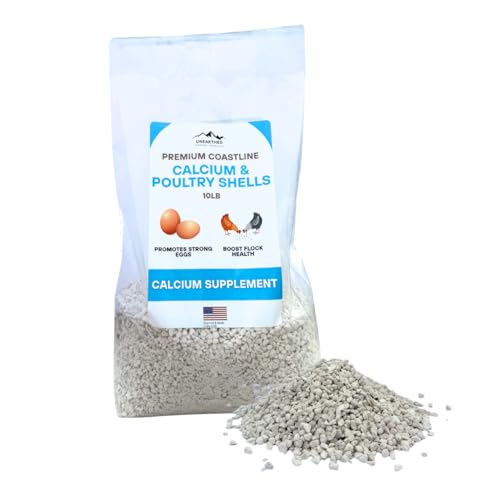
Unearthed suits a keeper who values a larger bag and storage details. The listing describes finely crushed feed-grade granules, a USA-sourced claim, and a moisture-resistant bag. That packaging is useful when your feed corner is a shed or garage where open sacks pick up dampness.
Ten pounds is a lot for a small covey. Buy it when you can keep the bag dry and expect steady use; otherwise, the shell can sit around longer than needed. Skip it for a new flock that is still deciding between shell and a limestone alternative.
Pros
- ✓ Finely crushed granule claim
- ✓ Moisture-resistant bag claim
- ✓ Good storage fit for larger flocks
Cons
- ✗ Too much package for some small coveys
- ✗ Premium price band
Frequently asked questions
Do quail need oyster shell?
Laying quail can have oyster shell available free-choice as a supplemental calcium option. Keep it separate from complete feed, and remember that chicks and growing birds have different feed needs.
Is oyster shell the same as grit for quail?
No. Oyster shell supplies calcium. Insoluble grit helps birds that eat anything besides crumble grind that material. A shell dish does not replace grit.
What is the best oyster shell for small quail flocks?
Small Pet Select Flaked Oyster Shell is the best starting point for most laying flocks because its listing claims uniform flakes, low dust, and no filler in a manageable bag. Check the pieces before offering them.
Can chicks have oyster shell?
Keep chicks on the correct starter feed rather than adding a calcium supplement by default. Coturnix starter feed is 28–30% protein for weeks 0–6, while laying birds use layer feed and can have shell free-choice.
How much oyster shell should I feed quail?
There is no single fixed serving dose to use for every flock here. Offer a small, dry, separate dish for laying birds and watch for dampness, contamination, and waste instead of mixing a guessed dose into complete feed.
Related guides
- Best quail feed (2026): 7 picks by life stage for choosing the complete base ration.
- How often should you feed quail (2026): A simple schedule for routine and waste control.
- Best quail feeder (2026): 7 no-waste picks for a cleaner separate-dish setup.
- Best Quail Waterer (2026): 6 Smart Picks for Clean, Steady Water for the other daily station.